

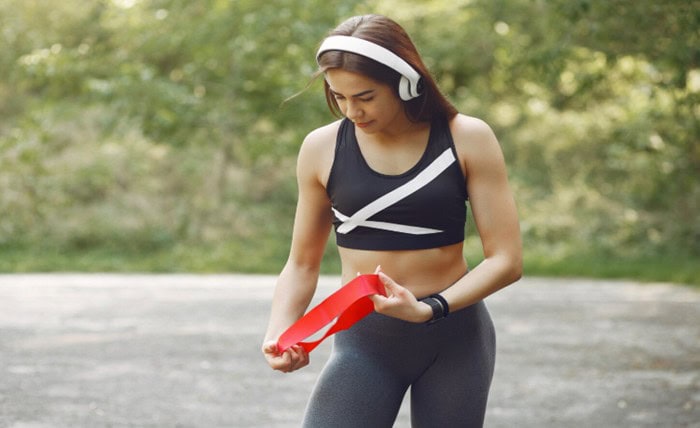
Running is one of the most effective ways to build endurance, burn calories, and clear the mind. But there’s one challenge every runner faces sooner or later—sweat. Excessive sweating can sting your eyes, make your grip slippery, and even cause distractions that disrupt your rhythm. That’s where custom sweatbands come into play. With the right design and strategy, sweatbands can help you stay cool, comfortable, and focused during long runs or high-intensity workouts.
Why Sweatbands Are More Than Just an Accessory
Sweatbands aren’t just about wiping away sweat. They serve as functional tools that keep sweat from dripping into your eyes, improve grip during strenuous sessions, and even help regulate body temperature. A good sweatband can make a noticeable difference in both comfort and performance.
Runners who invest in high-quality sweatbands, such as those from 4inbandana, often find that custom designs allow for better moisture control, a secure fit, and the ability to express personal style while training. That added layer of personalization ensures you get gear that works for your unique needs rather than settling for a one-size-fits-all solution.
Choosing the Right Fabric for Sweat Control
The type of fabric you choose for your sweatband can dramatically influence its effectiveness. While cotton is highly absorbent, it tends to get heavy and uncomfortable when soaked. Synthetic blends like polyester and spandex are lightweight, breathable, and quick-drying, making them ideal for long runs.
Moisture-wicking fabrics are particularly beneficial because they pull sweat away from the skin and dry rapidly. This keeps your forehead and wrists dry, helping you avoid skin irritation or chafing during extended runs.
Quick Tips for Fabric Selection:
- Cotton: Great for short runs but less effective for endurance training.
- Polyester/Spandex: Best for long-distance running due to breathability and stretch.
- Bamboo Fiber: Naturally antibacterial and eco-friendly, perfect for sensitive skin.
Fit and Comfort: Small Details That Matter
The effectiveness of a sweatband also comes down to its fit. A sweatband that’s too tight can cause discomfort and restrict circulation, while one that’s too loose will constantly slip out of place. Custom sizing solves this issue by giving you the perfect fit for your head or wrist.
Look for sweatbands with a soft interior lining and elastic properties. This ensures they stay snug without digging into your skin. Breathability is equally important—whether you’re wearing a medical band or a running sweatband, features like ventilated stitching or mesh panels can make a big difference during long-distance runs.
Using Sweatbands Strategically for Better Performance
Sweatbands aren’t just for the forehead. Runners can use them in multiple ways to manage heavy sweating more effectively:
- Forehead Sweatbands: Prevent sweat from dripping into your eyes and clouding your vision.
- Wrist Sweatbands: Ideal for quickly wiping sweat off your face and hands without breaking stride.
- Neck Bands: Help cool your body and manage sweat in areas prone to overheating.
When used together, these sweatbands form a system that keeps you dry and focused on the run rather than the discomfort of excess sweat.
The Psychological Edge of Staying Dry
It’s not just about physical comfort—sweatbands can also provide a mental boost. Staying dry helps you maintain focus and confidence, both of which are crucial during competitive races. A runner who feels comfortable is more likely to push harder, maintain proper form, and avoid distractions.
Custom sweatbands also add a motivational element. Choosing colors, logos, or designs that reflect your personality or team spirit can inspire you to perform at your best. That sense of identity often translates into better discipline and stronger performance.
Care and Maintenance for Long-Lasting Use
To get the most out of your sweatbands, proper care is essential. Wash them regularly to prevent odor and bacteria buildup, but avoid harsh detergents that can damage elastic fibers. Air-drying is recommended, as excessive heat from dryers can reduce the sweatband’s lifespan.
Here’s a simple routine:
- Rinse immediately after runs to remove salt and sweat.
- Wash gently with mild detergent.
- Air dry in a shaded area.
By maintaining them properly, you ensure your sweatbands stay functional and hygienic for longer.
Final Thoughts
For runners battling heavy sweating, custom sweatbands are more than just a fashion statement—they’re performance-enhancing tools. The right material, fit, and strategic use can improve comfort, reduce distractions, and even give you a psychological edge during training or races. By investing in quality sweatbands and caring for them properly, you’ll stay focused on what truly matters: running stronger, faster, and farther.