

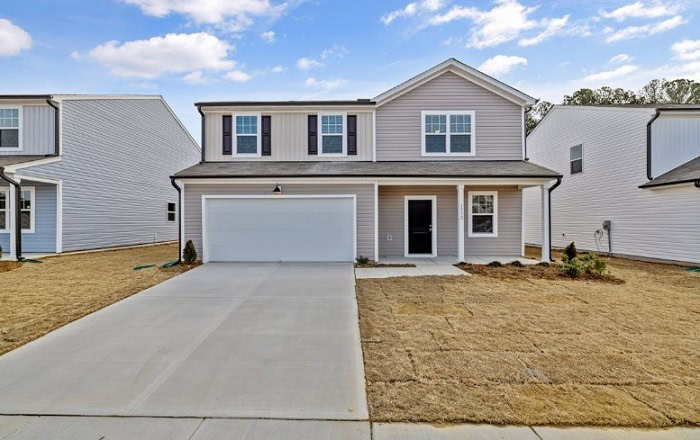
A garage door is the largest moving part in most homes and plays a central role in both security and daily convenience. Homeowners rely on it multiple times a day, whether leaving for work, returning home, or accessing storage. Because of this frequent use, even small performance issues can quickly become noticeable. Sounds that seem minor or slight delays in movement may not appear urgent at first, but they often signal underlying wear or mechanical stress.
Ignoring these early warning signs can lead to larger structural failures or safety risks. For example, a loose component or misaligned track can place additional strain on the entire system, causing faster deterioration. While basic maintenance, such as cleaning and lubrication, can help, more complex issues require experienced attention.
Strange Noises and Excessive Vibration
Unusual sounds are often the first indication that something is wrong with a garage door. A light squeaking noise usually points to dry rollers or hinges that need lubrication and can be fixed with routine maintenance. However, louder sounds such as grinding, rattling, or banging suggest deeper mechanical problems. These may involve worn bearings, loose hardware, or failing components that need closer inspection. When these sounds become frequent or worsen over time, they often signal issues beyond basic upkeep.
Excessive vibration is another warning sign that should not be ignored. When parts are not properly aligned or secured, the door may shake during operation. Over time, this movement can loosen additional components and increase wear across the system. When noise and vibration continue despite basic maintenance, a professional assessment is often needed to prevent further damage. If you are looking for a company that offers professional residential garage door service, there are plenty of options available.
The Door is Off-Track or Moving Unevenly
A garage door that appears uneven or struggles to move along its tracks is a serious concern. Homeowners may notice gaps between rollers and the track, or the door may tilt to one side when opening or closing. These signs often indicate that the tracks have shifted or that the rollers are worn. Even a minor misalignment can disrupt the door’s balance and create operational issues.
An off-track door poses significant safety risks. If left unaddressed, it can suddenly become stuck or even fall out of place during use. This not only damages the door but also creates a hazard for anyone nearby. Prompt attention to alignment problems helps maintain stability and prevents further complications.
Garage Door Fails to Respond Properly
When a garage door does not respond to commands, the issue can stem from several sources. In many cases, the problem is simple, such as depleted remote batteries or a disconnected power source. Checking these basic elements is often the first step in troubleshooting. Wall switches and remotes should also be tested to determine if the issue is isolated or system-wide.
If basic checks do not resolve the problem, the cause may lie within the opener system. Faulty wiring, worn circuit boards, or a failing motor can all affect responsiveness.
The Risks and Warning Signs of Broken Springs
Garage door springs play a critical role in supporting the door’s weight and allowing it to open and close smoothly. When a spring begins to fail, homeowners may notice the door feels heavier or struggles to lift evenly. A sudden loud popping sound is often a clear indication that a spring has snapped. This type of failure can render the door inoperable.
Broken springs pose serious safety risks due to the tension they retain. Attempting to operate the door in this condition can cause further damage or injury. Avoid handling it manually and arrange for proper repair instead.
Safety Sensor Malfunctions and Reversing Doors
Safety sensors are designed to prevent the garage door from closing on objects, people, or pets. When these sensors malfunction, the door may reverse unexpectedly or refuse to close. This issue often occurs due to dirt on the sensor lenses or slight misalignment.
Homeowners can begin by gently cleaning the lenses and checking that both sensors face each other correctly. Sunlight interference or loose wiring may also affect performance. If the problem continues after basic adjustments, professional calibration may be required to restore proper function and ensure safety.
Wear and Tear on Essential Hardware Components
Over time, everyday use causes gradual wear on garage door components, such as cables, rollers, and hinges. Frayed cables, rusted parts, or loose bolts are common signs that the system is aging. These issues may not cause immediate failure, but they weaken the overall structure and reduce efficiency. Regular visual checks help identify these early warning signs.
Ignoring worn hardware can lead to sudden failures that disrupt daily routines. Replacing damaged parts promptly helps maintain smooth operation and prevents strain on the opener system. Routine maintenance also extends the lifespan of the door and keeps it functioning reliably.