

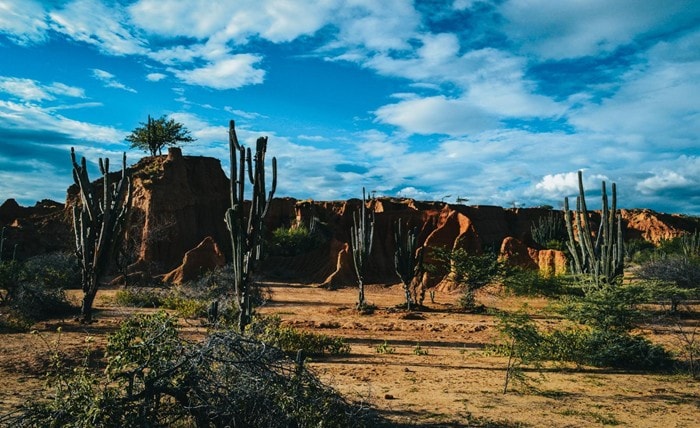
The German explorer Alexander von Humboldt once famously said about South America: “The New World is the most interesting region of the globe, both for the study of nature and for the history of mankind.”
Whether you want to explore the dense Amazon rainforest, hike the soaring Andes Mountains, or take in the rugged expanses of Patagonia, South America is a land of extraordinary natural beauty.
Let’s take a closer look at some of the continent’s most breathtaking destinations and what makes them so special.
Amazon Rainforest
The Amazon rainforest exceeds an estimated 2.1 million square miles, covers nine countries, and represents over half of the planet’s remaining tropical rainforests. The Yasuni National Park in Ecuador is a great starting point for visitors to explore the rainforest, undoubtedly one of the most biodiverse places on Earth. Within the park, you can kayak through waterways packed with plenty of exotic wildlife, from black caimans to the infamous pink river dolphins.
Plus, you will learn about the indigenous communities who have called this forest home for generations. Similarly, in Guyana’s Amazon region, the rainforest remains largely untouched. In Guyana, it is not unusual for visitors to spot jaguars or sloths. Experiences like the Iwokrama Canopy Walkway offer a breathtaking view of the rainforest from above, while interactions with local Amerindian communities provide a deeper understanding of their central role in protecting this ecosystem.
Iguazu Falls
Iguazu Falls sits on the border between Argentina and Brazil and is one of South America’s most impressive sights. The main waterfall stands about 80 meters tall and stretches 2,700 meters across. It’s surrounded by the lush rainforest of Iguazu National Park, a UNESCO World Heritage Site filled with over 2,000 plant species and animals such as giant anteaters and howler monkeys. Like Niagara Falls on the U.S.-Canada border, Iguazu can be experienced from two countries. In Argentina, you can walk trails or take a boat ride to get close to Devil’s Throat Canyon. On the Brazilian side, you’ll find amazing panoramic views from walkways overlooking the falls.
Andes Mountains
Next on our list are the Andes Mountains. This mountain range stretches across the entire western edge of South America, spanning over 5,500 miles through seven countries: Argentina, Bolivia, Chile, Colombia, Ecuador, Peru, and Venezuela.
The Torres del Paine National Park in Chile features iconic granite peaks rising above glacial lakes. At this park, hikers can choose between challenging routes or more leisurely trails that weave through beech forests along the Ascencio River Valley. For winter sport fans, the Andes offer world-class skiing opportunities. Resorts like Valle Nevado and Portillo in Chile provide uncrowded slopes and breathtaking views, while Termas de Chillán combines skiing with natural hot springs. In Peru, the Inca Trail remains one of South America’s most iconic treks. This pathway leads adventurers through cloud forests and high-altitude plains before culminating at Machu Picchu.
Patagonia
Patagonia makes most people think of either the outdoor clothing company or mountains. But this region is more than “just” mountains. Patagonia stretches across the southern parts of Argentina and Chile, covering over 402,734 sq miles (approximately 10% in Chile and approximately 90% in Argentina). Patagonia’s valleys are home to fascinating wildlife like guanacos, condors, and even elusive pumas.
When you’re traveling in the Aysén region in southern Chile, you can go kayaking at Marble Caves or trek in the Patagonia National Park. Visitors can also raft down the Baker River or hike around Lake Bertrand for unforgettable encounters with nature.
Galápagos Islands
The Galápagos Islands are a group of volcanic islands in the Eastern Pacific. The archipelago is a province of the Republic of Ecuador, and due to their location, the only way to reach the Islands is by air. The distance from Ecuador to Galápagos is approximately 600 miles. Charles Darwin’s observations here laid the foundation for his theory of natural selection. As he famously said, “Considering the small size of these islands, we feel more astonished at the number of their aboriginal beings, and at their confined range […]. Hence, both in space and time, we seem to be brought somewhere near to that great fact, that mystery of mysteries—the appearance of the new beings on this earth.”
On your trip, you can encounter giant tortoises, marine iguanas, blue-footed boobies, and sea lions—all remarkably unafraid of humans.
Challenges and Rewards
Your adventure in South America won’t come without a few challenges here and there. Remote locations mean limited infrastructure and unpredictable weather. For example, trekking in Patagonia requires the right equipment and thorough preparation for strong winds and sudden temperature changes. At the same time, traveling the Amazon involves dealing with severe humidity and possible encounters with insects.
However, these challenges are part of what makes the experience so rewarding. Whether it’s spotting a jaguar in Guyana or standing before the fierce Iguazu Falls, these are the moments that will make your trip in South America worthwhile.
Responsible tourism plays a vital role in preserving these ecosystems. Supporting local communities through eco-lodges or guided tours ensures that tourism benefits both people and nature.
How to Unwind After Your Adventure
After days spent trekking mountains or paddling through rainforests, treat yourself to a well-deserved break. South America offers plenty of ways to unwind. If you want to take a break from adventure, spend some time on Brazil’s sun-soaked beaches or stay in a cozy jungle lodge overlooking peaceful waterways and enjoy a good book or some digital entertainment through the mobile slots apps featured on casinos.com.
Ready to Go?
Whether you’re chasing adventure or relaxation, South America invites you to embrace its wild heart responsibly and savor every unforgettable moment. Embrace responsible tourism practices and savor every moment spent in these wild places, so you can help ensure that they remain protected for future generations.