

Many regional dishes use mushrooms. You can benefitted knowing how to say it in Spanish. The word is easy to learn and use, despite some regional variations. The Spanish definition of “mushroom,” a list of its essential terms, and some basic usage examples are given in this article.
What Mushroom Means in Spanish
The common words are seta, hongo, and champiñón. Every word has a slightly different meaning. Usage of them depends on the context.
- Seta: This is the most common word. It usually means edible mushrooms. They are usually found in nature or in markets.
- Hongo: A general or scientific term for fungus. Hingo refers to both consumed and inedible fungi in many Latin American nations.
- White button mushrooms and other cultivated mushrooms are referred to as champiñón. The word is frequently used in recipes and restaurants.
Seta: The Common Mushroom
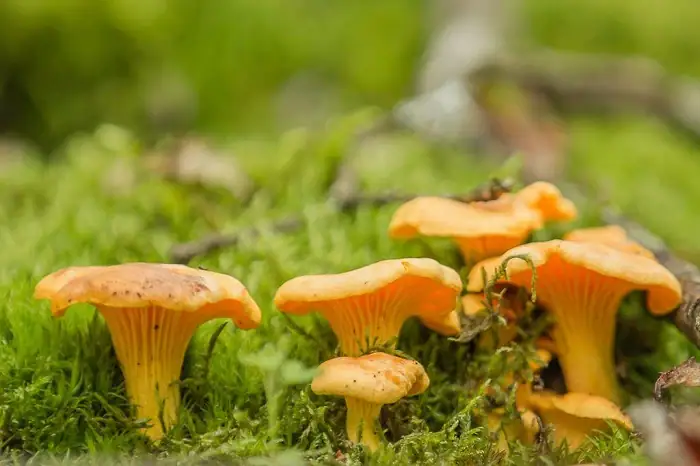
The word seta is used across Spain. They use it to describe mushrooms that grow naturally. It is also used to describe mushrooms that are used in cooking. It is a simple and neutral term. You will hear it in conversation or on restaurant menus often.
Examples:
- Esta seta es comestible. (This mushroom is edible.)
If you are learning to travel or food. Then this is the best word to start with.
Also Read: Good Morning in Spanish: Definition, Pronunciation, and Usage
Hongo: The Scientific or Broad Term
The word hongo refers to any fungus. It may come from molds or edible mushrooms. In many Latin American nations, it is typical.
Examples:
- Algunos hongos son venenosos. (Some mushrooms are poisonous.)
When discussing fungi in general, use it. The biological aspect of mushrooms can also be mentioned.
Champiñón: The Edible White Mushroom
It is used to describe the round mushroom. It is also used in describing white mushrooms. They are mostly used in pizzas, soups, and salads.
Examples:
- Añade champiñones al arroz. (Add mushrooms to the rice.)
Restaurant menus include it often.
If you learn to say it in this language. Then it will help you better understand the food and culture of those countries. You can then choose which of them to use based on your meaning. Start with simple words. Listen to how locals use them. And soon you will sound natural talking about it in this language.