

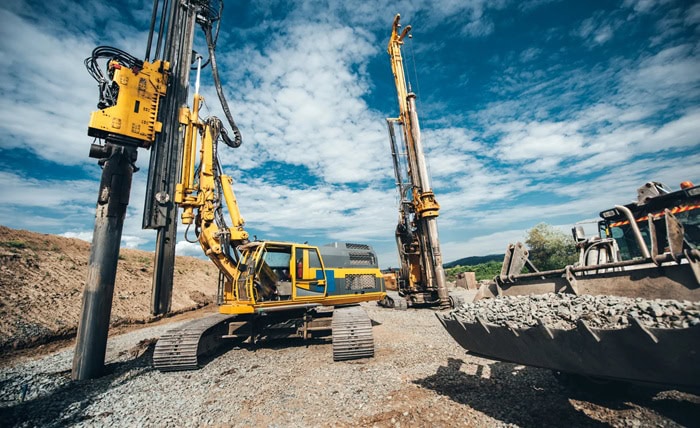
In the rugged and demanding environment of mining, the durability of equipment is paramount. From the massive dump truck mining operations to the precision of drilling apparatus, each piece of machinery must withstand extreme conditions while maintaining efficient functionality. The secret to their longevity and performance lies in the science of wear-resistant materials, which are engineered to endure harsh abrasions, impacts, and corrosion that are inherent in mining operations.
The Role of Material Science
Material science is at the forefront of developing wear-resistant components for the mining industry. By understanding the atomic and molecular structure of materials, scientists can design alloys and composites that offer enhanced durability. Common materials used include high-strength steels, tungsten carbide, and various ceramics, each chosen for their unique properties that resist wear and extend the lifespan of equipment. These materials are often tailored to specific applications and environments, ensuring optimal performance even under the most demanding conditions.
Innovations in Engineering
Wear-resistant mining products are the result of sophisticated engineering processes that integrate material science with innovative design. Engineers analyse patterns of wear and failure in existing equipment to design superior solutions. By employing methods such as finite element analysis and computer-aided design, they simulate real-world conditions to test new concepts and improve the durability of mining machinery. Advanced manufacturing techniques also play a crucial role, enabling precise fabrication of components that match the rigorous standards required by the mining industry.
Application of Coatings
Protective coatings are another crucial aspect in the science of wear-resistant mining products. Coatings such as thermal sprays or chemical vapour deposition can dramatically increase surface hardness, providing an additional layer of defence against wear. These coatings are applied using a variety of techniques, depending on the material and the intended use. For example, diamond-like carbon coatings are used for cutting tools due to their exceptional hardness and low friction coefficients, significantly enhancing their performance in drilling operations.
Testing and Quality Assurance
The development of wear-resistant mining products and drilling equipment undergoes rigorous testing to ensure they meet industry standards. Quality assurance tests include abrasion testing, impact resistance evaluation, and fatigue tests. These tests are critical for confirming that the products will perform effectively in the field without unexpected failures. By simulating the extreme conditions of mining environments in a controlled setting, manufacturers can identify potential weaknesses and make necessary adjustments to improve the performance and reliability of their products.
Sustainability and Environmental Considerations
As the mining industry continues to evolve, there is an increasing emphasis on sustainability. The use of wear-resistant materials not only extends the life of equipment, reducing the frequency of replacements and repairs, but also contributes to more sustainable practices. By minimising waste and energy consumption associated with frequently manufacturing new parts, these advancements in material science and engineering help reduce the environmental footprint of mining operations. Additionally, the development of recyclable materials and more efficient manufacturing processes further support environmental goals.
In conclusion, the science behind wear-resistant mining products and drilling equipment is an intricate interplay of material science, engineering innovation, and sustainability. From designing alloys that can withstand harsh conditions to applying advanced coatings and conducting strict quality control tests, the industry continues to push the boundaries of what is possible. These advancements not only enhance the efficiency and reliability of mining operations but also contribute to a more sustainable future.