

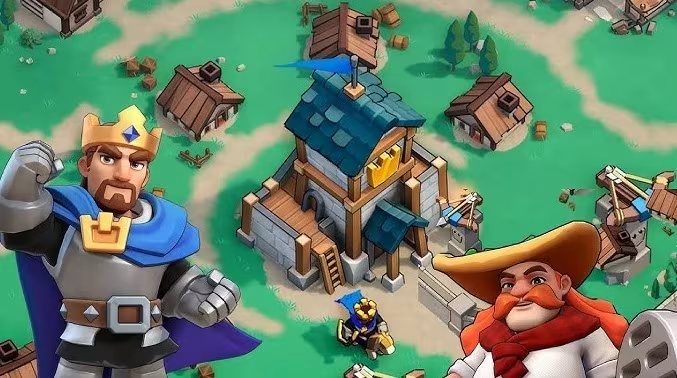
Jumping into Kingshot? You’ll soon realize that charging into every battle headfirst usually ends in disaster. But hiding behind walls, hoping no one notices you? That rarely works either. The real skill is knowing when to go all in and when to hunker down—building a fortress so solid that even the boldest raiders think twice before messing with you.
After watching countless battles unfold, one thing is obvious: some players crush the early game with nonstop raids, while others quietly grow their kingdoms, turning patience into power. Both strategies work—it just depends on how you play your cards.
What makes Kingshot so addictive is that your choices shape everything: how you spend your resources, which heroes you level first, and how your empire grows. Aggressive players are like wolves, always on the hunt for opportunities. Defensive players? They’re like bears, massive and unmovable, fiercely guarding what’s theirs. Either way, victory is possible—but only if you learn when to fight and when to wait.
Getting Your Troops Right: The Basics Everyone Needs
Here’s something most guides won’t tell you straight up—if you don’t understand how your troops actually work together, all the fancy strategies in the world won’t save you. Infantry are your meat shields, plain and simple. They move like they’re wearing concrete boots, but they can take hits that would flatten your other units. Cavalry zip around the battlefield with decent stats across the board, which makes them perfect for hitting where the enemy is weakest. Archers pack a punch from distance but fold like paper if anything gets close to them.
Now here’s where it gets interesting. Kingshot uses a counter system that actually matters in battle. Your Infantry laugh off Cavalry charges and hit them back harder. Cavalry can sweep past the frontline and tear through Archer formations before they know what hit them. Archers, meanwhile, can pick apart Infantry from safety because those slow-moving tanks can’t close the distance fast enough. Miss these matchups and you’ll watch your supposedly strong army get shredded by a smaller force that knew what beats what.
The trick is recognizing these patterns before you commit to an attack or set up your defense. I’ve seen players with twice the troop count lose badly because they brought Infantry to an Archer fight. Don’t be that governor who learns this lesson the expensive way.
Going All-Out: When Aggression Pays Off
Playing aggressive in Kingshot means you’re constantly looking for your next target. You’re not waiting for resources to pile up slowly—you’re taking them from governors who weren’t paying attention. This approach demands that you stay active, scout relentlessly, and accept that sometimes you’ll take losses. But the rewards? Faster progression, control over premium resource spots, and a reputation that makes weaker players shield up the moment they see your name.
Your troop setup for aggressive play needs to hit hard and hit fast. Most experienced raiders swear by formations that balance survivability with damage output. Something like five parts Infantry, two parts Cavalry, and three parts Archers gives you staying power while your damage dealers do their job. The Infantry absorb the initial clash, your Cavalry exploit any opening to disrupt their backline, and Archers steadily chip away at everything. Adjust these ratios based on what you’re attacking—more Archers if they’re Infantry-heavy, more Cavalry if you’re facing Archer walls.
Here’s the reality of aggressive play: you burn through resources like crazy. Troops need constant training, healing costs add up after every raid, and you’ll want the best heroes maxed out to lead your marches. This is where smart players make life easier with a kingshot top up when they need it. Getting gems through platforms like LootBar helps you maintain the aggressive tempo without grinding for weeks between major attacks. Speed-ups become your best friend because waiting three days to train troops kills your momentum completely. The governors who dominate aggressive play aren’t necessarily the strongest—they’re the ones who can sustain constant pressure without running dry.
Building Walls: The Art of Making Attackers Regret It
Defensive play gets a bad reputation as “boring,” but there’s nothing boring about watching an attacker throw everything at you only to retreat with massive losses. Playing defensively means you’re building something that lasts, stockpiling resources carefully, and making your city such a pain to attack that most raiders just skip you entirely. This style suits players who can’t be online 24/7 or who prefer steady growth over risky gambles.
Your garrison setup for defense looks totally different from aggressive formations. Stack Infantry as your main force—we’re talking 70% or more of your defensive army being pure tanks. Add some Cavalry to provide flexibility and counter-threat, but keep Archers minimal or skip them entirely. Why? Because when you’re defending, lasting longer matters more than killing faster. A solid wall of Infantry with high health and defense can grind down attack after attack, forcing enemies to either commit way more troops than planned or give up entirely. Every casualty they take while barely scratching your garrison makes their victory meaningless even if they technically win.
But troops are only part of defensive success. Your city layout, wall upgrades, and defensive structures create layers of protection that good players leverage ruthlessly. Upgrade those walls whenever possible because higher wall levels mean tougher battles for attackers. Position your defensive towers near entry points to maximize their coverage. Use barricades strategically to funnel attackers into kill zones where your defenses concentrate fire. Smart defensive players also keep most resources in their inventory rather than leaving them sitting in resource buildings. That way, even if someone breaks through, they walk away with scraps instead of your entire stockpile. Alliance reinforcements become critical too—having allies ready to send troops to your garrison turns a difficult defense into an absolute nightmare for attackers.
Switching Gears: Why You Need Both Approaches
The governors who really excel in Kingshot don’t lock themselves into one style forever. They read situations and adapt. During peaceful building phases or when you’re low on troops, defensive thinking protects what you’ve earned. When alliance wars kick off or valuable targets appear, aggressive tactics help you capitalize on opportunities. This flexibility confuses enemies who can’t predict your next move.
Think about server events and how they reward different approaches. Some events throw waves of NPCs at your alliance, rewarding governors with strong garrisons and reinforcement capabilities. Others involve capturing and holding territory, where aggressive formations and coordinated rallies dominate. Kingdom versus kingdom warfare might demand you turtle up when outnumbered but go aggressive when you have numerical advantage. Reading these situations correctly and switching your approach accordingly separates average players from genuinely skilled governors.
Resource management matters even more when you’re trying to maintain both aggressive and defensive capabilities. You’ll need multiple hero sets leveled up—your aggressive commanders for raids and defensive specialists for garrison duty. Keep diverse troop compositions ready so you can quickly adjust based on threats or opportunities. This flexibility requires investment, which is why many serious players use reliable kingshot top up options to ensure they’re never caught unprepared. Having the resources to train troops quickly or upgrade heroes on demand means you’re always ready to shift gears when the situation demands it.
Managing Resources Without Going Broke
Whether you’re constantly attacking or building an impenetrable fortress, resources are your lifeline. Aggressive players chew through resources maintaining offensive momentum—training fresh troops, healing casualties, upgrading attack-focused buildings. Defensive players need steady resource income for fortifications, standing armies, and defensive structure upgrades. Both styles drain your stockpiles fast if you’re not careful.
Your Town Center should be your absolute priority no matter which style you prefer. Everything else gates behind its level, so falling behind on Town Center upgrades means falling behind on literally everything else. Balance your resource production buildings instead of maxing one type—you need food, wood, stone, and gold in different amounts for different upgrades, and shortages in any category slow you down. Daily missions and chapter quests inject significant resources into your economy, so treat them like mandatory activities rather than optional side content.
Speed-ups become incredibly valuable as upgrade timers stretch into multiple days. The mistake new players make is burning speed-ups on anything and everything. Save them for critical moments—finishing a Town Center upgrade before a major event starts, completing troop training before a scheduled war, rushing defensive improvements when scouts spot incoming attacks. Smart resource management and knowing when to invest in your progression (sometimes through platforms like LootBar for efficient top-ups) keeps you competitive without hitting constant roadblocks that force you to wait days between meaningful actions.
Events That Favor Each Style
Different Kingshot events practically demand specific playstyles to maximize rewards. Take defensive-focused events where your alliance faces waves of increasingly difficult invaders. These scenarios reward governors with powerful garrisons, defensive heroes, and the ability to coordinate reinforcements quickly. Your aggressive heroes and raid formations won’t help much when success depends on how well you and your allies can hold territory against overwhelming attacks.
Flip that around for territory control events or alliance brawls. These competitions involve capturing and holding structures like castles, watchtowers, and resource points. Offensive formations dominate here because you need to break enemy garrisons and establish control before they can respond. Coordinated aggressive rallies from multiple alliance members can overwhelm even strong defenses if executed properly, and defensive tactics won’t win you points if you can’t capture objectives in the first place.
Then you’ve got specialized events that throw all normal rules out the window. Boss hunt events, for instance, often reward maximum damage rather than victory, leading to completely different troop compositions—sometimes heavily Archer-weighted formations that would be suicide in normal combat but maximize damage output against specific targets. Understanding which events favor which approach and adjusting accordingly determines whether you’re competing for top rewards or settling for participation prizes.
What Most Players Overlook
Even experienced Kingshot governors miss opportunities that can drastically tilt the game in their favor. These are the nuances that separate “good” players from “elite” players, and most guides barely touch on them.
1. Hero Synergy Beyond Stats
Everyone talks about leveling your strongest heroes first—but few analyze how hero abilities interact. Some heroes’ buffs and debuffs can completely swing a battle when paired correctly. For instance, combining a hero who slows enemy movement with another who deals area-of-effect damage creates a perfect combo to shred raiding parties. Overlooking synergies can turn your carefully trained troops into an underperforming force.
2. Timing Is Everything
Resource collection, troop training, and events all operate on timers—but most players act reactively rather than proactively. Elite governors schedule actions to overlap perfectly: finishing troop training just as an alliance war begins, or timing defensive structure upgrades before heavy raids. Small timing advantages compound, giving you an edge that raw troop numbers alone can’t provide.
3. Terrain and Map Awareness
While most guides focus purely on troops and formations, few explain how positioning on the world map affects outcomes. Capturing hills, chokepoints, and resource nodes not only boosts production but can force attackers into unfavorable battles. Ignoring map advantages often leads to wasted raids or unnecessary losses.
4. Psychological Warfare
Aggression isn’t just about numbers—it’s also about perception. Leaving a “trap” city with just enough visible troops to lure an enemy, then striking with reinforcements, can demoralize rivals repeatedly. Defensive players can use similar tactics by making resource-rich cities appear weak, tricking overconfident attackers into heavy losses. Mastering this layer of Kingshot strategy gives you influence beyond what your troops can do alone.
5. Event Optimization
Many governors focus only on completing events, not maximizing rewards. The key is analyzing which events reward aggressive play versus defensive play, then allocating your best heroes and troop formations accordingly. Skipping this analysis is like leaving gems and speed-ups on the table every time—minor missteps that add up over weeks of gameplay.
Filling these gaps is how you evolve from a competent player into a governor who dominates both your alliance and the broader server. Awareness of hidden advantages, strategic timing, and psychological tactics often wins battles before troops ever clash.
Your Path Forward: Choosing What Fits
Deciding between aggressive and defensive play in Kingshot ultimately comes down to your schedule, personality, and goals. Aggressive play thrives when you can stay active, respond to opportunities quickly, and don’t mind the occasional setback. It offers faster progression and the satisfaction of dominating opponents through superior tactics and timing. Defensive play works better for players with limited playtime who want steady, secure growth and the psychological edge of turning back attackers who thought you’d be an easy target.
The truth is that the absolute best governors master both styles completely. They understand when to unleash devastating offensive campaigns and when to consolidate behind impenetrable defenses. They’ve studied troop interactions until they can predict battle outcomes before troops even clash. They know which heroes excel in which situations and have the resources ready to adapt formations on the fly. Most importantly, they don’t stubbornly stick to one approach when circumstances clearly demand the other.