

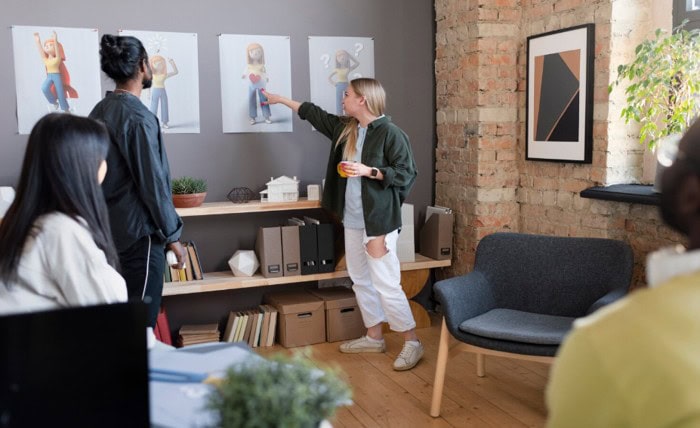
Art galleries play a pivotal role in shaping the careers of both new and seasoned artists. They serve as vital platforms where artists present their work to the public and established audiences. Galleries act as bridges, connecting creativity with appreciation, market possibilities, and cultural influence.
Their efforts go beyond exhibitions, steering artists toward broader recognition and success in the art world. These spaces help build artist profiles that attract opportunities for exhibitions, sales, and critical acclaim. The demand for contemporary works, including the growing interest in KAWS art for sale, highlights the market’s reliance on galleries to promote and validate artistic talent.
Elevates Emerging Artists Through Strategic Exposure
Emerging artists benefit from galleries that curate exhibitions to highlight fresh talent and diverse perspectives. Such shows introduce these artists to collectors, critics, and museum curators who may otherwise miss their work. Galleries usually stage solo and group exhibitions that place newcomers alongside well-known figures, enhancing their professional standing. Besides visibility, galleries provide a stage for artists to develop confidence and fine-tune their public presence. This exposure allows artists to build their reputation gradually while learning to navigate the art market.
Supports Artists Beyond Exhibitions
Successful galleries offer more than just exhibition space; they provide critical career resources that sustain artists long-term. Financial assistance to create new work, guidance on contracts, and marketing support form part of this package. Some galleries organize workshops, residencies, and mentorship programs, connecting emerging artists with experienced professionals. These initiatives nurture technical skills and help artists understand the commercial and institutional sides of their careers. This multifaceted backing helps artists turn talent into viable livelihoods.
Galleries Adapt to Digital Changes
Digital advances have expanded how galleries promote and support artists beyond their physical locations. Online events and virtual exhibitions broaden artists’ audiences worldwide, overcoming geographic limits. Social media platforms enable galleries and artists to engage directly with collectors and fans, creating dynamic relationships. Many galleries now blend physical shows with digital campaigns, ensuring artists receive continuous exposure. This hybrid approach helps artists remain visible in an ever-changing cultural landscape.
Builds Art Market Value and Institutional Recognition
Art galleries strengthen artists’ chances of achieving institutional validation and market success. Being represented by a respected gallery usually leads to inclusion in museum collections, prestigious exhibitions, and art fairs. Galleries generate critical attention through press coverage, catalog publications, and curated discourse around an artist’s work. This attention elevates the artist’s profile and nurtures scholarly interest.
Fosters Community and Long-term Artistic Growth
Galleries also foster artistic communities that stimulate creative exchange and innovation. By organizing group shows and collaborative projects, they create environments conducive to experimentation. These communal spaces allow artists to dialogue with peers, pushing boundaries and fostering fresh ideas. Galleries contribute to a vibrant cultural ecosystem by investing in artists’ growth and sustaining interest among collectors and audiences.
Shifts in Curatorial Practice and Technology Use
Galleries adapt their curatorial practices as technological tools reshape how art is presented and experienced. Digital platforms allow for virtual exhibitions and online sales that greatly increase accessibility. Curators incorporate multimedia and interactive elements, enhancing engagement with artworks. This shift requires galleries to balance traditional presentation with innovative formats to reach diverse audiences. Technology also enables sophisticated data analysis to understand collector preferences and optimize marketing efforts.
The relationship between artists and galleries lays the groundwork for artistic and commercial achievements. Buyers interested in contemporary works, such as KAWS art for sale, rely on galleries for authenticity and expert curation. Galleries provide a trusted space where artists at different stages of their careers receive exposure, guidance, and access to collectors. This partnership propels emerging talents while reinforcing established reputations, creating a lively and changing art market.