

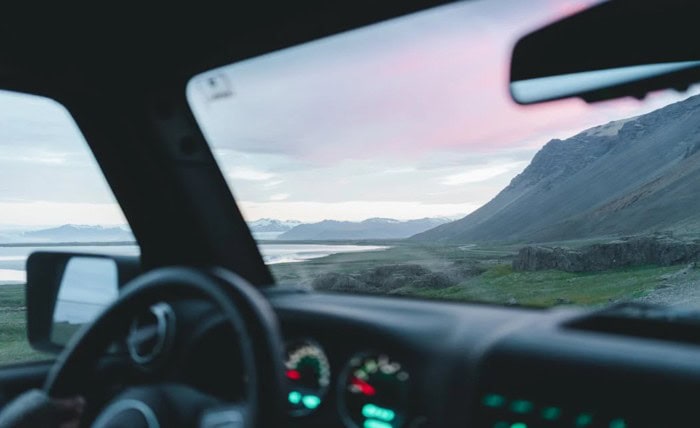
Iceland rewards travelers who match their vehicle to their route, season, and travel crew. The wrong car can waste time, limit access, and add stress. A bit of planning makes every mile smoother and safer.
If you will land at Keflavík and start driving soon after, arrange your pickup first. Many travelers prefer to Rent a car in Iceland’s airport to shorten transfers and keep bags close. Airport collection reduces shuttles and lets you leave for the south coast or Reykjavik without delays. It also helps late arrivals avoid extra transport after a long flight.
Start With Your Trip Profile
Begin by writing down where you want to go and what you must carry. List your group size, bag count, and any sports gear. Add your planned road types and the months you will travel.
Set clear limits for daily distance and daylight driving. Winter days are short, and fatigue builds faster on unfamiliar roads. Plan realistic legs to leave margin for stops, wind, or gravel stretches. This helps you choose comfort and fuel range before power or style.
Now map your must-see stops and the roads between them. Many classic sights sit on paved routes, and compact cars handle them well. The moment F-roads enter your plan, you are in 4×4 territory. Never plan river crossings without skill, local advice, and suitable clearance.
Read Weather And Road Conditions Like A Local
Iceland’s weather shifts fast, and wind can be the main hazard for drivers. Side gusts are stronger near open plains, fjords, and bridges. Snow, slush, and black ice also change braking distance and steering feel.
Match tires and drivetrains to the month you visit. From late autumn through early spring, choose winter tires and a heavier chassis. All-wheel drive adds grip on mixed surfaces and strong crosswinds. High ground clearance helps on rutted tracks and late thaw.
Before each drive, check official notices and forecasts. Look for wind warnings, road closures, and avalanche updates. Government travel pages give reliable safety guidance and seasonal rules for visitors. A good starting point is the Government of Iceland’s travel safety information which outlines visitor responsibilities and local conditions.
Match Vehicle Type To Your Route
Different routes reward different vehicles. Use this quick fit guide before you book.
- City And Ring Road Paved Sections: A compact or midsize hatchback rides fine, carries two large bags, and sips fuel. Choose automatic transmission if you want less effort in stop-start traffic. Add a roof box only if interior space falls short.
- Gravel Segments And Wind-Exposed Areas: A midsize SUV gives extra weight, stability, and clearance. You will feel less push from gusts and ruts. Keep speeds steady and avoid late braking on marbles.
- F-Road Access And Highland Tracks: A true 4×4 with high clearance is the safe choice. Look for low-range options and skid protection if rivers or rock gardens appear. Never enter a closed road, even with a capable vehicle.
- Family Loads And Photo Gear: A wagon or large SUV allows more bags without blocking mirrors. Sliding cargo rails and split seats keep tripods and strollers secure. Cabin comfort matters for long winter legs with fewer daylight hours.
- Fuel And Range Planning: Distances between pumps can be long, especially off the Ring Road. Larger tanks or efficient engines reduce refueling pressure. Carry a simple log of kilometers and planned stops.
Pack light but precise. Soft duffels fit better than hard cases in many trunks. Tie loose gear, and never stack above the seat line. Clean windows and mirrors give safer reads on wind and spray.
Understand Insurance And Useful Add-Ons
Iceland road risks differ from many countries. Think about sand, ash, gravel, and windborne debris. Read each coverage line and decide based on your planned surfaces and season.
Collision coverage often excludes damage below the bumper line or undercarriage. Gravel protection helps on chip-prone routes and long shoulders. Sand and ash protection can pay off during dry, windy spells near volcanic fields. Theft risk is low, yet still lock doors and keep gear out of sight.
A few add-ons can save hours on the road. A second driver eases fatigue on long days. A local GPS remains helpful when data drops, though offline maps on your phone work well. A roof box organizes wet layers, crampons, and tripods away from the cabin.
Do a thorough walk-around before you leave the lot. Photograph wheels, glass, bumpers, and the roof. Confirm the spare, jack, and emergency kit are present. Ask about hotline support and response times outside the capital area.
Pickup Options, Vehicle Handover, And EV Considerations
Airport pickup reduces friction for most arrivals. Online check-in and keybox collection help early or late flights. City pickup suits travelers spending a day in Reykjavik first, and it can reduce parking stress near smaller hotels.
Electric rentals now fit many itineraries near the Ring Road and larger towns. Check your lodging for overnight charging and confirm connector types. Public stations cluster near hubs, so plan legs with a safe buffer. Cold weather reduces range, so add margin on winter days.
If you choose an EV, adopt a steady driving style and avoid heavy heat usage while parked. Pre-condition the cabin while plugged in to save battery on departure. Keep charging stops near meal breaks and viewpoints to avoid wasted time.
Bring a simple checklist to speed handover. Verify tire type, charging cables or fuel policy, and any child seats. Set the odometer trip and pair your phone for maps and weather. Save the rental support number and your accommodation contacts.
Seasonal Playbooks That Keep Trips On Track
Each season calls for small adjustments that pay off every day. Use these notes to keep choices sharp and stress low.
- Winter And Early Spring: Choose heavier vehicles with winter tires and heated mirrors. Keep a blanket, shovel, and snacks on board. Short days demand earlier starts and fewer long detours.
- Late Spring And Summer: Gravel and dust increase on popular routes. Consider gravel coverage and carry a soft brush for seals. Book vehicles early during peak months for size and pickup time.
- Autumn Shoulder Weeks: Winds can spike near fronts and on exposed bridges. Favor stable SUVs and keep both hands on the wheel. Watch leaf litter and wet shoulders during rain bursts.
When planning research, it helps to read local university resources on climate and travel behavior. The Iceland’s Safetravel app publishes public material that can inform safe travel timing and environmental conditions for visitors. See faculty pages and published guides at hi.is for context on weather patterns and seasonal considerations.
A Practical End Point For Confident Choices
Pick your vehicle for the roads you will drive, not just the sights you hope to see. Match group size, cargo, season, and road type to a body style and tire setup. Add coverage that fits your route instead of buying every line. Use airport pickup if you want to leave straight after landing, or a city handover if you will rest first. Small, clear choices at booking time lead to calmer days and better photos.