

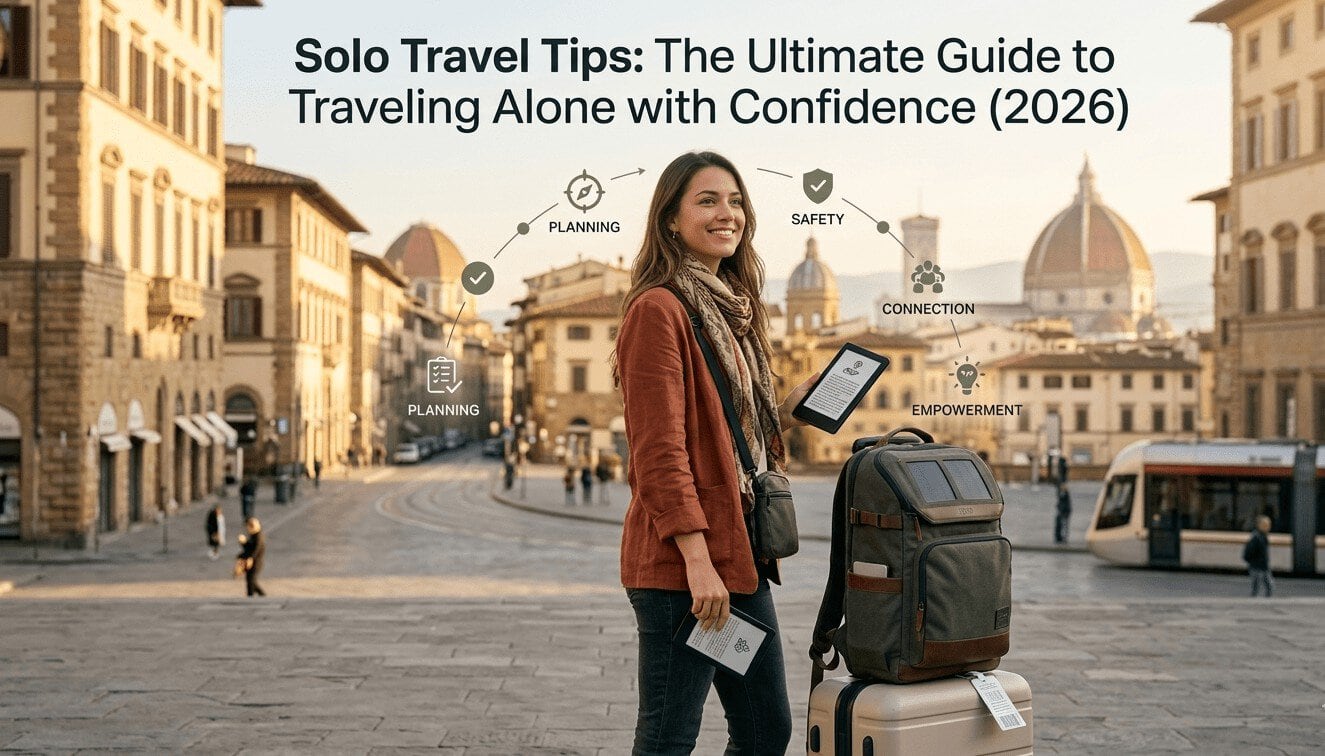
Dreaming of exploring the world on your own terms? Whether you’re a first-timer or a seasoned solo adventurer, these solo travel tips will help you plan smarter, stay safer, and enjoy every moment — with or without a travel partner.
Why Solo Travel Is Growing Fast in 2026
Solo travel is no longer a niche trend — it’s a global movement.
According to recent travel industry reports, solo travel bookings have increased by over 40% since 2020, with travelers aged 25–45 leading the surge. In 2026, more people than ever are choosing to explore the world independently, driven by a desire for personal freedom, self-discovery, and a world that’s becoming increasingly easier to navigate alone.
What’s fueling the solo travel boom?
Remote work has untethered millions from fixed locations, turning the “work-from-anywhere” lifestyle into a permanent reality. Digital tools — from eSIMs and offline maps to AI travel assistants — have dramatically lowered the barrier to solo exploration. And culturally, solo travel has shed its stigma. Going alone is no longer seen as settling for less; it’s recognized as one of the most empowering choices a person can make.
Research consistently shows that solo travelers report higher levels of personal growth, cultural immersion, and life satisfaction compared to group travelers. When you travel alone, you’re more approachable to locals, more present in your surroundings, and completely free to design your experience from scratch.
The question in 2026 is no longer “Should I travel solo?” — it’s “Where should I go first?
Top Solo Travel Tips for Beginners
If you’ve never traveled alone before, the idea can feel overwhelming. These solo travel tips for beginners will help you build confidence quickly and avoid the most common first-timer pitfalls.
1. Start with a short, easy solo trip first
Before booking a two-week solo adventure in Southeast Asia, test the waters closer to home. A solo weekend trip to a nearby city lets you practice navigating alone, eating out alone, and making spontaneous decisions — without the pressure of long-haul logistics. Build the muscle before the marathon.
2. Choose a beginner-friendly destination
Some destinations are simply more solo-traveler-friendly than others. Countries with strong tourism infrastructure, English-speaking populations, and low safety risk — like Portugal, Japan, New Zealand, and Iceland — are ideal starting points. These places make it easy to meet other travelers and navigate independently.
3. Pack light — seriously, pack light
When you travel solo, there’s no one to watch your bags while you grab coffee or help haul a 25kg suitcase up five flights of stairs. The golden rule: if you can’t carry everything comfortably on your own for 10 minutes, you’ve packed too much. Stick to neutral, mix-and-match clothing, leave space for souvenirs, and use a quality carry-on or 40L backpack as your primary luggage.
4. Invest in travel insurance before you go
This is non-negotiable. A single medical emergency abroad without insurance can cost thousands. Choose a comprehensive plan that covers medical evacuation, trip cancellation, and lost belongings. For long-term solo travelers, services like SafetyWing or World Nomads offer flexible, affordable coverage.
5. Tell someone your itinerary
Share your plans with at least one trusted person at home — your accommodation details, transportation schedule, and a rough daily itinerary. Enable real-time location sharing via apps like Apple’s Find My or Google Maps sharing so someone always knows where you are.
6. Book your first night’s accommodation in advance
Even if you prefer spontaneous travel, always pre-book your first night. Arriving in an unfamiliar city — tired, possibly jet-lagged, and without a plan — is a recipe for stress. Knowing exactly where you’re going when you land makes the whole trip start on the right foot.
7. Learn five words in the local language
Hello. Goodbye. Thank you. Please. Where is the bathroom?
That’s all you need to break the ice with locals everywhere. Attempting even basic phrases signals respect and goodwill, and it has a remarkable effect on how warmly people respond to you. Apps like Duolingo or Google Translate (offline mode) make this effortless.
How to Stay Safe While Traveling Alone
Safety is the number-one concern for solo travelers — and rightly so. The good news is that with smart habits, solo travel is far safer than most people imagine. These solo travel safety tips apply everywhere.
Know before you go
Research your destination thoroughly before departure. Check government travel advisories (such as the UK Foreign Office or US State Department websites), read recent traveler reviews, and join destination-specific Facebook groups or Reddit communities to get up-to-date, on-the-ground information. Knowledge is your most powerful safety tool.
Stay digitally prepared
- Download offline maps: on Google Maps or Maps.me before arriving — Wi-Fi isn’t always available when you need it most.
- Get a local eSIM: immediately upon landing. Services like Airalo offer affordable data plans in 190+ countries. Staying connected means you can call for help, navigate, or look up emergency numbers at any time.
- Use a Google Voice number: (free) to share publicly instead of your real phone number. This protects your privacy and prevents unwanted tracking.
- Back up everything: — photos, documents, passport scans — to cloud storage (iCloud, Google Drive, or Backblaze) every 24–48 hours.
Physical awareness habits
- Walk with purpose and confidence, even when you’re uncertain. Hesitation makes you a more visible target in busy urban areas.
- Avoid looking at your phone for extended periods in crowded or unfamiliar areas.
- Don’t wear headphones at night in low-traffic areas.
- Carry your valuables in a front-pocket wallet, anti-theft bag, or money belt.
- When arriving late at night, take a licensed taxi or rideshare directly to your accommodation. Never accept unsolicited offers of transport.
Accommodation safety tips
Stay in centrally located accommodation whenever possible — high foot traffic areas are safer and more convenient.
- Read recent reviews specifically for safety mentions before booking.
- When checking in, avoid announcing your room number aloud in public areas.
- Use the door lock, deadbolt, and any provided safety chains at night.
Trust your instincts
Every experienced solo traveler says the same thing: your gut is your best security system. If a person, a neighborhood, or a situation feels wrong — leave. Don’t worry about being polite. No social obligation is worth compromising your safety.
Emergency preparation
- Save the local emergency number in your phone before arrival.
- Know the location of your country’s nearest embassy or consulate.
- Keep a small emergency cash reserve (USD or EUR are widely accepted in most countries) separate from your main wallet.
- Consider a personal safety app like bSafe or Noonlight, which can alert emergency contacts with your location instantly.
How to Plan Your First Solo Trip
Great solo travel experiences don’t happen by accident — they’re built on smart, flexible planning. Here’s a step-by-step approach to planning your first solo trip from scratch.
Step 1: Define your travel style and goals
Before you book anything, ask yourself: *What do I want from this trip?* Are you seeking adventure and outdoor activity? Cultural immersion? Rest and relaxation? Personal reflection? Your answer shapes everything — destination choice, pace, accommodation type, and budget.
Step 2: Set a realistic budget
Solo travel costs more per person than traveling with a partner, since you can’t split accommodation or transport costs. Build your budget across these categories:
- Flights — typically your largest expense; use tools like Google Flights, Skyscanner, or Hopper to track prices and book at the optimal time.
- Accommodation — hostels, guesthouses, budget hotels, or Airbnb depending on your comfort level and social preferences.
- Daily expenses — food, transport, activities, and entry fees.
- Emergency fund — always keep 15–20% of your budget as a contingency reserve.
Step 3: Choose your destination wisely
For a first solo trip, choose a destination that balances accessibility, safety, infrastructure, and interest. Consider:
- Ease of navigation — good public transport, clear signage, English-friendly
- Safety rating — consult Global Peace Index rankings and recent traveler reports
- Solo traveler community — destinations like Lisbon, Chiang Mai, Bali, and Tokyo have large, active communities of solo travelers making it easy to meet people
- Cost of living — Southeast Asia, Eastern Europe, and Central America offer exceptional value for solo travelers
Step 4: Build a flexible itinerary
Don’t over-schedule. The magic of solo travel is spontaneity. Plan your must-dos (major sights, pre-booked tours, transit), leave large blocks of unstructured time, and let the trip evolve naturally. A good rule: plan 60%, leave 40% open.
Step 5: Book accommodation strategically
- First 2–3 nights: always pre-book to ensure a smooth arrival.
- Hostels with common areas: are ideal for meeting other travelers, even if you book a private room.
- Guesthouses and B&Bs: often offer more personal interaction with owners and other guests.
- Use Booking.com, Hostelworld, or Agoda to filter by location, rating, and solo-traveler reviews.
Step 6: Sort your documents and insurance
- Ensure your passport is valid for at least 6 months beyond your travel dates.
- Check visa requirements well in advance — some visas require weeks of processing.
- Purchase travel insurance before departure, not after.
- Carry digital and physical copies of all important documents.
Best Destinations for Solo Travelers
Choosing the right destination can make or break a first solo trip. Here are the top destinations for solo travelers in 2026, categorized by travel style.
Best for solo beginners
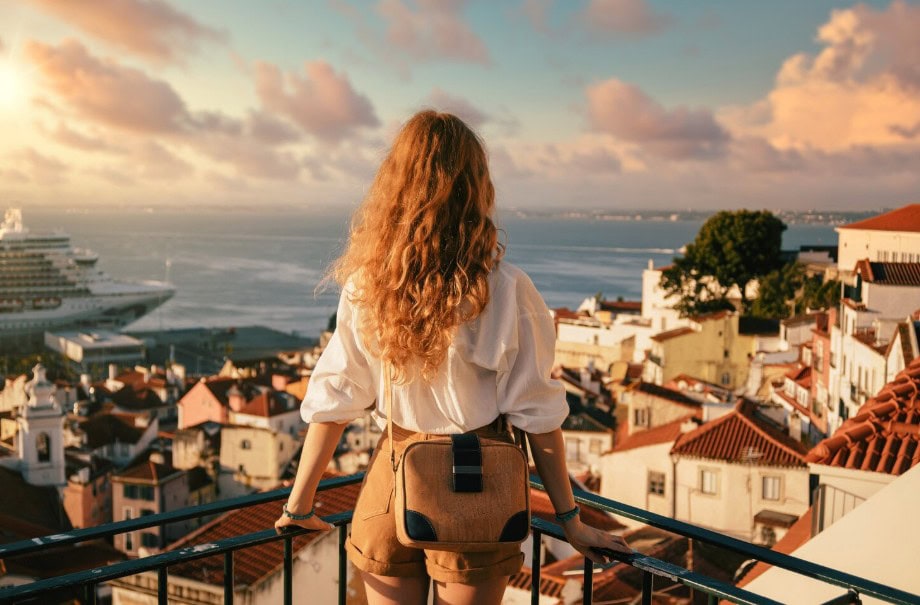
Lisbon, Portugal — Friendly, safe, walkable, and rich with culture. English is widely spoken and the cost of living is among the lowest in Western Europe. Lisbon’s thriving hostel scene makes it one of the easiest cities in the world to meet other travelers.
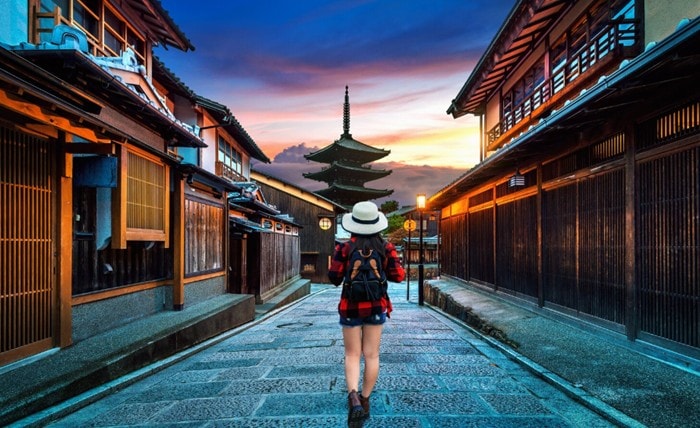
Kyoto, Japan— Japan consistently ranks as one of the safest countries in the world. Kyoto’s combination of ancient temples, stunning nature, and famously polite locals makes it an extraordinary solo travel destination. Public transport is immaculate and stress-free.
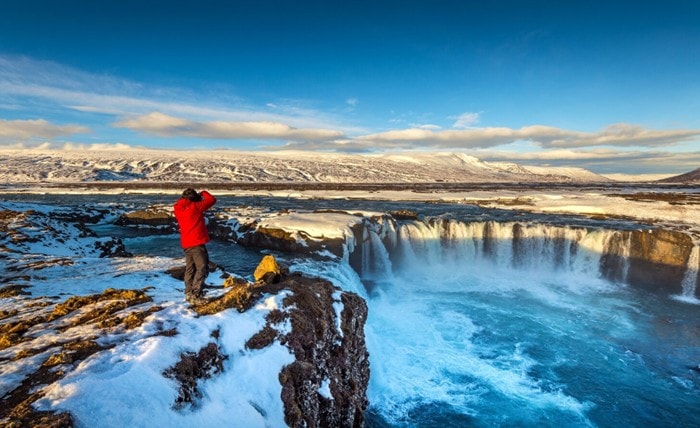
Reykjavik, Iceland — Small, safe, and stunning. Iceland’s ring road is one of the world’s great solo road trips, and Reykjavik’s compact, walkable city center is ideal for solo exploration.
Best for solo adventure travelers
New Zealand — World-class hiking, bungee jumping, skydiving, and surf. New Zealand’s well-maintained trails and outdoor culture make it a paradise for adventure-seeking solo travelers.
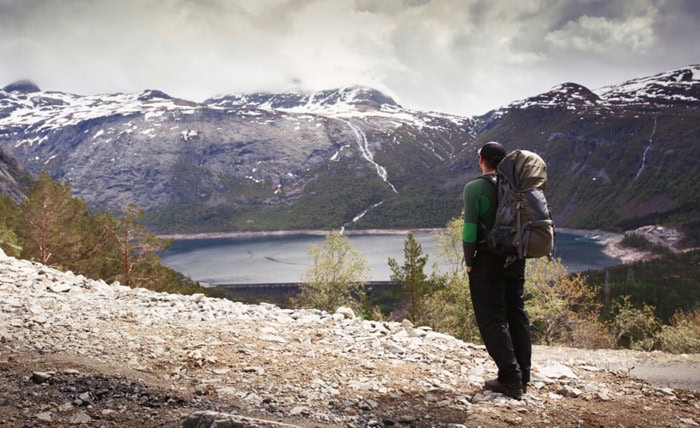
Colombia — A dramatically transformed destination, Colombia offers incredible biodiversity, vibrant cities, and some of the warmest people in South America. Medellín, in particular, has become a global hub for digital nomads and long-term solo travelers.
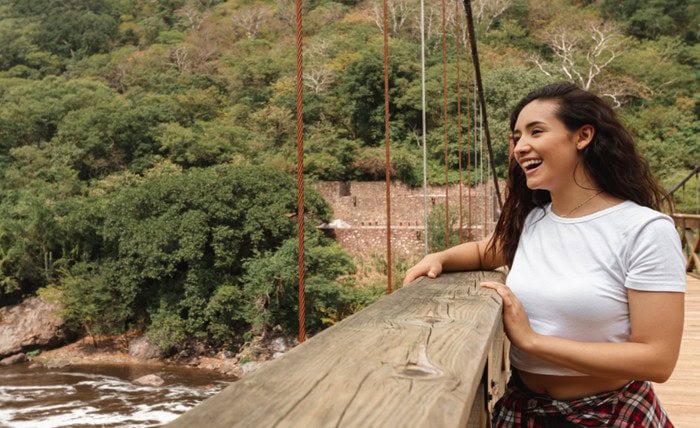
Best for solo budget travelers
Vietnam — Exceptional food, breathtaking landscapes, and one of the lowest costs of living in Southeast Asia. From Hanoi to Ho Chi Minh City, Vietnam rewards solo explorers with genuine cultural richness at minimal cost.
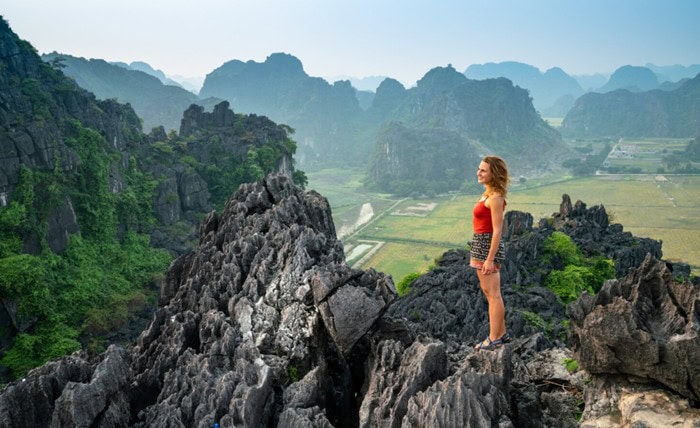
Georgia (country) — One of the best-kept secrets in solo travel. Georgia offers ancient monasteries, stunning mountain scenery, world-class wine, and extraordinary hospitality — all at a fraction of Western European prices.
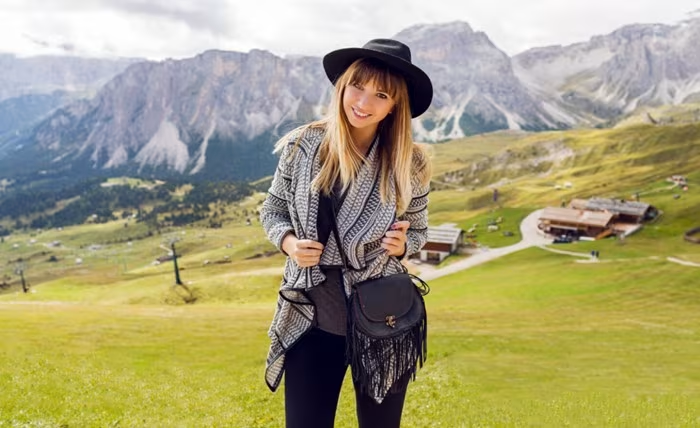
Mexico City — A world-class cultural capital with incredible food, art, and architecture. Mexico City’s rapidly growing expat and digital nomad community makes solo travel social and straightforward.

Best for solo female travelers
New Zealand, Portugal, Japan, and Iceland consistently top safety rankings for solo female travelers, combining low crime rates, friendly locals, and excellent infrastructure.
Budget Solo Travel Tips
Solo travel doesn’t have to drain your bank account. With the right strategies, you can see the world affordably without compromising quality.
Accommodation hacks
- Hostels aren’t just for students. Modern hostels offer everything from private rooms to rooftop bars, with prices often 60–70% lower than budget hotels. They’re also the single best way to meet other travelers.
- House-sitting platforms like TrustedHousesitters allow you to stay in homes for free in exchange for looking after pets. It’s increasingly popular among long-term solo travelers.
- Slow travel — staying in one city for a week or more instead of moving daily — dramatically cuts transport costs and often unlocks weekly accommodation discounts.
Transport savings
- Book flights 6–8 weeks in advance for domestic routes and 3–5 months ahead for international. Use price alerts on Google Flights or Skyscanner.
- Overnight buses and trains save a night of accommodation while covering ground — a classic solo travel hack.
- City travel cards and passes almost always offer better value than paying per journey.
Food and dining
- Eat where locals eat. Street food and local markets are not only cheaper — they’re often the most authentic and memorable meals of a trip.
- Cook occasionally if your accommodation has a kitchen. Most hostels do, and a simple breakfast or dinner prepared at home saves significantly over time.
- Lunch over dinner. In many countries, restaurants offer the same quality food at lunch for 30–50% less than dinner prices.
Activities and sightseeing
- Most major cities offer free walking tours — tip-based, led by knowledgeable locals, and an excellent way to get oriented and meet fellow travelers on day one.
- Museum free days. Research whether your destination’s major museums offer free admission on specific days or evenings.
- Prioritize experiences over things. The most memorable solo travel moments rarely cost money — a sunrise hike, a conversation with a local, a night market, a chance encounter.
Financial tools
- Use a no-foreign-transaction-fee travel credit card to avoid the typical 2–3% charge on every international purchase.
- Withdraw cash with a Schwab or Wise debit card, both of which refund international ATM fees globally.
- Monitor your spending with apps like Trail Wallet or TravelSpend to stay on budget in real time.
Common Solo Travel Mistakes to Avoid
Even experienced travelers make these errors. Knowing them in advance is your competitive advantage.
Overpacking
The single most universal solo travel mistake. When you’re carrying everything yourself, every extra kilo matters. Pack for one week regardless of trip length — laundry facilities exist everywhere. A lighter bag means more freedom, less stress, and no checked-baggage fees.
Over-planning every hour
A jam-packed itinerary leaves no room for the unexpected — and the unexpected is almost always the best part of solo travel. Some of the most memorable solo travel experiences come from a spontaneous recommendation from a hostel roommate or a wrong turn down an interesting alley.
Isolating yourself out of comfort
It’s tempting to stay in your room scrolling your phone in the evenings, especially when you’re tired. But solo travel’s greatest gift is human connection. Push yourself to go to the hostel common room, join the group tour, accept the dinner invitation. These small acts of courage create lifelong friendships and memories.
Ignoring cultural norms
Failing to research local customs — dress codes, tipping etiquette, religious practices, greetings — is both disrespectful and potentially dangerous. Even five minutes of research before visiting a temple, market, or local home can transform your reception.
Keeping all your money in one place
Never carry all your cash and cards together. Distribute funds across at least three separate locations — wallet, bag, and a hidden reserve — so that a theft or loss never leaves you completely stranded.
Not having offline access
Assuming you’ll always have Wi-Fi or data is a dangerous habit. Download Google Maps, your accommodation details, and key information offline before every excursion. A dead phone or data outage in an unfamiliar city can quickly become a genuine emergency.
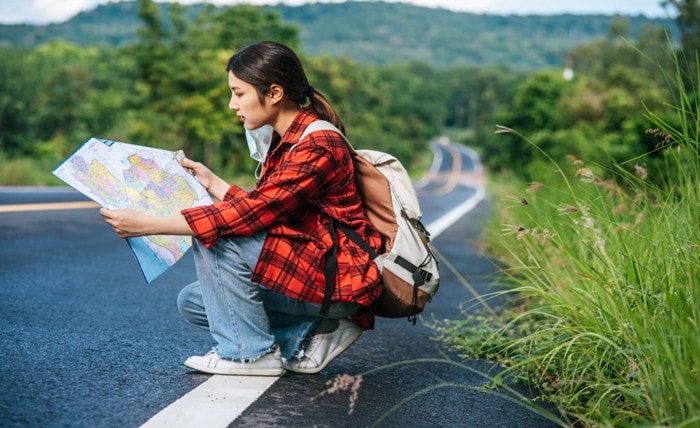
Comparing your trip to others online
Social media creates a distorted reality of solo travel — all sunsets, no delayed buses. Your trip will have boring days, frustrating moments, and stretches of loneliness. This is normal. It doesn’t mean you’re doing it wrong. The richest solo travel experiences are often invisible on Instagram.
Skipping travel insurance
This mistake can turn an unfortunate incident into a financial catastrophe. A broken leg in the US, an emergency evacuation in a remote area, or a cancelled flight during a natural disaster — travel insurance exists for exactly these scenarios. The cost is minimal; the protection is priceless.
Final Thoughts
Solo travel is one of the most rewarding decisions you can make for yourself — but like any worthwhile pursuit, it rewards preparation, openness, and a willingness to step outside your comfort zone.
The solo travel tips in this guide aren’t just tactical checklists. They’re the distilled wisdom of thousands of solo journeys — experiences that prove, again and again, that traveling alone doesn’t mean being lonely. It means being fully present. It means choosing your own pace, your own path, and your own definition of adventure.
The world in 2026 has never been more accessible to the solo traveler. Tools are better, communities are larger, and the culture of solo travel has never been more celebrated. The only thing standing between you and your first solo trip is the decision to go.
Start small. Stay curious. Trust yourself.
And go.
Frequently Asked Questions About Solo Travel
1. Is solo travel safe?
Yes — with the right preparation. Research your destination, stay aware of your surroundings, keep emergency contacts informed, and trust your instincts. Millions of people travel solo safely every year.
2. How much money do I need to travel solo?
It varies widely by destination. Budget solo travel in Southeast Asia is possible from $30–50/day. Western Europe typically requires $80–150/day. Use cost-of-living databases like Numbeo to estimate your specific destination.
3. Is solo travel lonely?
It can feel that way momentarily, but most solo travelers report that traveling alone makes them *more* social, not less. When you’re alone, you’re more approachable and more likely to connect with locals and other travelers.
4. What is the best first destination for solo travel?
Portugal (Lisbon), Japan (Tokyo or Kyoto), New Zealand, and Iceland are consistently rated the best destinations for first-time solo travelers due to their safety, infrastructure, and welcoming culture.
5. Can introverts enjoy solo travel?
Absolutely. Solo travel is arguably *ideal* for introverts — you can socialize as much or as little as you choose, with complete control over your energy and schedule.