

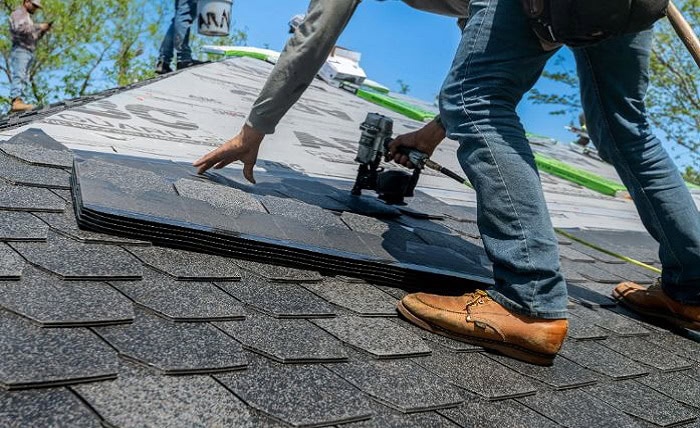
Most homeowners do not think about their roof until water starts dripping into the house. But in Wichita, strong winds, hail, heat, and winter storms can wear down roofing systems faster than people expect. That is why many homeowners work with trusted Wichita roofing companies to catch problems early and avoid expensive repairs later. Here is what you can expect during a professional roof inspection and what inspectors are actually looking for.
Why Roof Inspections Matter in Wichita
Wichita weather is tough on roofs year-round. Summer heat can dry out shingles, hailstorms can crack materials, and strong winds can loosen flashing or tear shingles away completely. Small damage often goes unnoticed until leaks begin inside the home.
Regular inspections help homeowners catch problems before they become major repairs. Many Wichita roofing companies recommend scheduling inspections once a year and after major storms. Homeowners who stay proactive usually spend less on long-term repairs and extend the life of their roof. If you have already noticed signs of damage, it is smart to schedule professional roof inspection services sooner rather than later.
What Happens Before the Inspector Gets on the Roof
Most inspections start from the ground. Inspectors look for sagging rooflines, missing shingles, damaged flashing, clogged gutters, and visible storm damage before climbing up.
This first step also helps identify safety concerns. If gutters are pulling away from the home or drainage looks poor, inspectors may recommend additional repairs or even gutter installation to prevent future water damage.
What Wichita Roofing Companies Check During the Roof Inspection
Shingles and Roofing Materials
Inspectors check for cracked, curling, missing, or loose shingles. Granule loss is another major warning sign because it usually means the roof is aging and becoming more vulnerable to Wichita storms. Severe damage may require professional roof repair or full replacement.
Flashing Around Chimneys and Vents
Flashing is checked closely because these areas are common leak points. Inspectors look for rust, gaps, cracked sealant, and loose metal around chimneys, skylights, and roof penetrations.
Gutters and Drainage
Gutters are inspected for clogs, sagging sections, and overflow signs. Poor drainage can push water back onto the roof or near the foundation, creating bigger structural problems over time.
Roof Ventilation
Inspectors also examine attic airflow and roof ventilation. Poor ventilation traps heat and moisture inside the attic, which can shorten the roof’s lifespan and increase mold risk.
Structural Issues
Soft spots, sagging areas, and water-damaged decking are all major concerns. Structural issues usually signal hidden moisture problems that have been developing for a long time.
The Attic Inspection Matters More Than Most Homeowners Think
A roof can look fine from the outside while serious moisture problems are building underneath. That is why attic inspections are important during the process.
Inspectors look for water stains, damp insulation, mold smells, wood rot, and signs of poor ventilation. In many cases, homeowners discover hidden leaks only after attic inspections reveal moisture trapped beneath the roof deck. If problems are found early, smaller roof repair services may prevent much larger structural repairs later.
Common Problems Wichita Roofing Companies Find
Hail damage is one of the most common issues found during roof inspections in Wichita. Inspectors also frequently identify storm-related wear that homeowners may not notice from the ground.
Common problems include:
- Hail-damaged shingles and granule loss
- Lifted or missing shingles caused by strong Kansas winds
- Damaged flashing and failed sealants around vents and chimneys
- Clogged gutters are causing poor roof drainage
- Older roof repairs that have started to fail
- Poor attic ventilation and hidden moisture buildup
In some cases, inspections also uncover exterior water damage that may lead to additional siding repair or professional roof repair recommendations.
How Long Does a Roof Inspection Usually Take
Most residential roof inspections take between 45 minutes and 2 hours, depending on the size of the home, the roof layout, and the amount of visible damage. Smaller homes with simple roof designs are usually quicker, while larger properties or storm-damaged roofs often require more time.
Insurance-related inspections may also take longer because inspectors need to document damage carefully with photos and detailed notes. At Premier Roofing, homeowners can schedule a free roof inspection to identify potential issues early and better understand the condition of their roof. For steep or difficult-to-access roofs, the team may also use drone technology to safely capture additional inspection angles.
[CTA: Request Your Free Roof Inspection Today]
When Homeowners Should Schedule a Roof Inspection
Homeowners should schedule a roof inspection at least once a year, ideally during the spring or fall when weather conditions are easier to assess. Inspections are also strongly recommended after hailstorms, strong winds, heavy rain, or other severe weather events common in Wichita.
It is also a good time to schedule an inspection:
- Before buying or selling a home
- After noticing missing shingles or water stains
- When gutters start sagging or overflowing
- If the roof is more than 10 years old
- After nearby homes experience storm damage
Many roofing problems are easier and less expensive to fix when they are found early.
Protect Your Roof Before Small Problems Get Expensive
Roof problems rarely stay small for long. A missing shingle or failed flashing section can eventually lead to leaks, mold, damaged insulation, and expensive interior repairs if ignored.
Scheduling regular inspections helps homeowners stay ahead of storm damage and avoid surprise repair bills. If your roof has been through recent Wichita weather or you have noticed warning signs around your home, now is a good time to schedule professional roof inspection services. Premier Roofing can help identify issues early and recommend the right next step, whether that means simple roof repair or a full roof replacement.