

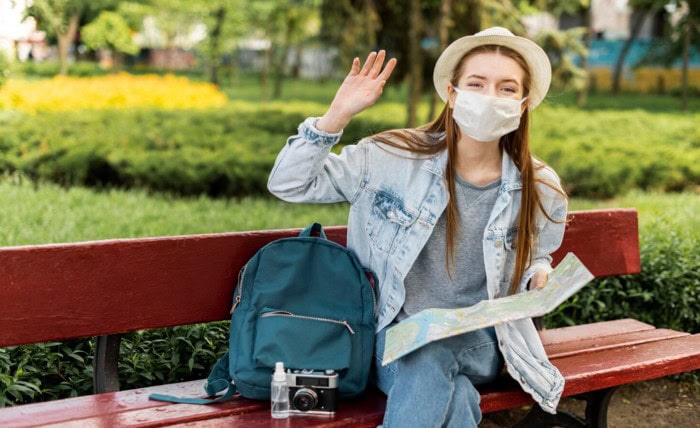
Keeping Valuables Safe While Exploring New Destinations Full Time
Life on the road feels freeing and thrilling. When your life is packed into a backpack, suitcase or small car, though, being diligent to safeguard your valuables is that much more important. Here are some easy habits to protect your things while you enjoy traveling from spot to spot.
Many US travelers take important documents/electronics they commonly use on their trip while putting other valuables in secure locations. Smart planning can keep what you need and minimize the potential for losing something important. Emphasis around probable loss and smartly prepared makes full-time travelling safer, easier, and more enjoyable!
FAQ for Full-Time Travelers
Many travelers look for question keywords when trying to protect valuables on the road. Understanding simple security habits makes full-time travel smoother and lowers the risk of losing important items. Some travelers also use outside options such as convenient storage in Mobile when they need a safe place to keep belongings they do not want to carry across multiple destinations. These clear answers help travelers make smart choices before and during long-term trips.
How can I decide what valuables to take with me?
Focus on items you need daily, such as identification, essential electronics, and basic financial tools. Anything you rarely use should stay stored safely to avoid unnecessary risk.
What is the safest way to carry important documents?
Keep documents in a waterproof pouch and store them in a secure part of your bag. Duplicate digital copies can help if something goes missing.
How do travelers protect electronics while on the move?
Use padded cases, avoid leaving devices in plain sight, and store them inside your main backpack rather than outer pockets.
Fast Tips for Safer Travel Habits
Protecting valuables during full-time travel becomes much easier with a few steady habits. These simple actions help reduce stress, minimize risk, and keep your belongings secure no matter where you go.
- Keep essential items in one central, secure pouch.
- Use locks for luggage and storage compartments.
- Avoid displaying expensive items in crowded places.
- Separate daily-use valuables from backup items.
- Check your belongings before leaving each location.
These small habits support a safer, more organized travel experience. They also reduce the chance of accidental loss during busy travel days, long journeys, or quick transitions between destinations.
Brief timeline:
Travelers begin by sorting valuables into daily and non-daily categories. Next, they secure essential items in protective pouches and choose safe storage for the rest. Over time, they build routines for checking belongings, locking bags, and keeping valuables out of sight. These simple habits create a reliable system for long-term travel safety.
Storing Valuables Securely
Full-time travelers often carry only what they need each day, but some belongings still require secure long-term storage. Keeping valuables safe begins with choosing the right place to store items you do not want to bring from destination to destination. A stable storage plan helps reduce worry, prevent damage, and give travelers more freedom to enjoy their journey. By separating travel essentials from long-term possessions, you create a safer and more organized system that supports stress-free exploration.
Choosing Safe Storage Options
A reliable storage space keeps valuables protected from weather, theft, and accidental loss. Travelers should look for stable environments that offer good security and easy access when needed. Practical checklist: use padded containers for fragile items, avoid storing documents loosely, label boxes clearly, review storage needs before each trip, and keep an updated inventory of everything stored. These small steps help ensure your belongings stay intact no matter how long you’re away.
Protecting Items During Long Absences
Long-term travel means you might not return to your storage location for months. By choosing secure, climate-stable spaces and using protective packing methods, you reduce the risk of damage while you’re gone. This makes it easier to pick up where you left off when your travels shift or pause.
Smart Daily Habits for Safety
Travelers stay safer and more confident when they adopt a few simple habits that protect their belongings in everyday situations. These habits don’t require special gear or complicated systems—just awareness and consistency. Small routines can prevent frustrating losses and keep your essentials ready whenever you need them.
How This Perspective Helps
It focuses on building steady habits rather than trying to monitor everything constantly. Travelers can move through busy stations, long rides, and unfamiliar streets knowing they’ve created a protective routine.
Making Travel Feel More Secure
By combining secure long-term storage with thoughtful daily habits, travelers protect their valuables and keep their journeys smooth. This approach reduces stress and supports the freedom that full-time travel is meant to offer.
Real Tips from Full-Time Travelers
A couple from Arizona who has been traveling full time for three years shared how they keep their valuables safe without feeling weighed down. In their early trips, they carried too many important items with them, which made them anxious and increased the risk of losing something essential. After refining their system, they now travel lightly while keeping their valuables secure in predictable, organized ways. Their experience shows how a few simple habits can make full-time travel smoother and far less stressful.
What Changed During Their Journey
They learned to separate daily essentials from long-term valuables and created a routine that protected both. Important documents stayed in a single waterproof pouch, electronics were packed in padded sleeves, and sentimental items were stored safely back home. Over time, these habits became second nature, allowing them to move between destinations easily. They also reviewed their setup every few months to adjust what they carried and what stayed stored, which kept their load manageable and secure.
How Their System Was Built
The way we arrived at this system was through trial and error.
To break it down a bit: carry items you use every day, keep only one pouch for things sans frills, store fragile items in cushioned pouches, carry a backup of crucial items, store everything else you don’t use every day, check your bags whenever you change locations, don’t flash your fancy devices in public, go through all your stuff from time to time to get rid of the unnecessary bits. The steps created a sensible balance where all our things were secure and our travel remained free.
Final Thoughts
Keeping valuables safe while exploring new destinations full time becomes easier when travelers combine smart storage decisions with steady daily habits. By protecting essentials, securing long-term belongings, and reviewing what truly needs to be carried, travel becomes lighter and more enjoyable. A thoughtful approach reduces stress, prevents unnecessary risk, and lets you focus on the adventure ahead. With these habits, you can experience the joy of travel while keeping valuables safe while exploring new destinations full time.