

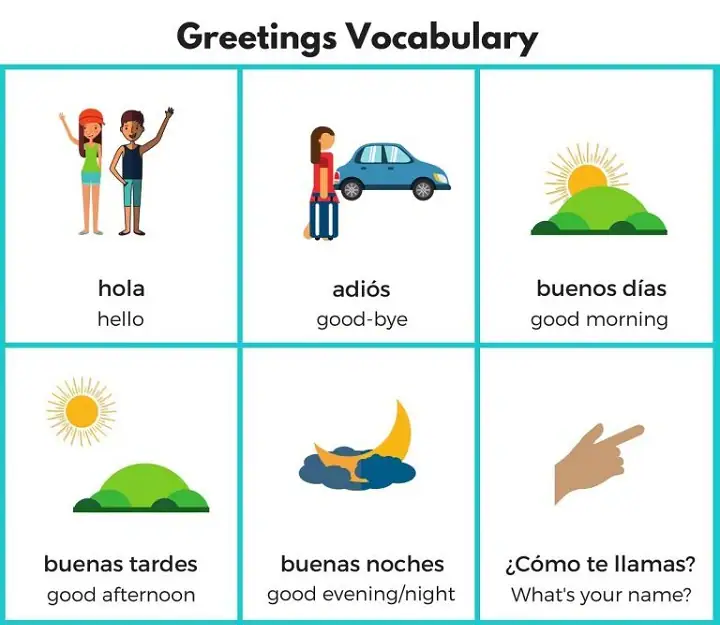
Start with red, then blue, maybe cats or dogs – most children learning Spanish see these first. Useful stuff, sure. Yet underneath, quietly, their thinking changes shape in ways few talk about. Not only do word lists get longer. Reality feels adjusted, somehow. New words aren’t just names swapped in. The way Spanish carves up the world begins to live inside them.
Why Spanish Words for Kids Work Differently Than English
Start with “hay.” That word covers both “there is” and “there are.” English shifts the verb: one thing needs “is,” many things need “are.” Not so in Spanish. A single pen? Hay. Five dogs? Same answer. Less switching back and forth. Young learners might handle plurals more smoothly – no extra brainwork matching words just then. Their edge comes from simpler rules, not sharper minds. Tiny design quirk, lighter load.
Gendered Words and Early Cognitive Flexibility
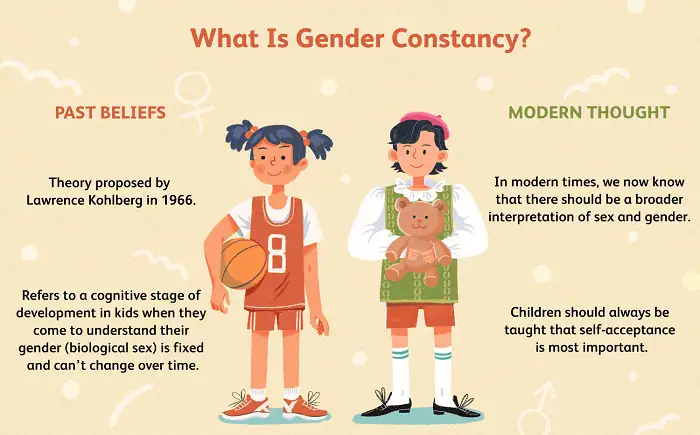
House is female. Book is male. That’s how Spanish sees things. Grown-ups often scratch their heads at these choices. Kids just soak it up without effort. Their minds sort details like sorting toys by color. Labeling everyday items with gender could strengthen recall later on. When children handle two languages, their brains get better at switching tasks.
Take “la mesa” – in Spanish it’s feminine, yet English sees no gender at all. This kind of mental juggling sharpens thinking skills over time. Confusion does not happen. Instead, young minds adjust naturally. Through these small shifts, new connections form inside the brain.
How Spanish Teaches Kids to Read Context
How they handle pronouns isn’t the same either. In English, people usually say who does something right away: I go, you eat, she runs. But in Spanish, that part can vanish. Just “voy,” “comes,” “corre” – the way the word ends shows the person involved.
Children pick up on this fast. What surrounds a word matters more than one might think. Understanding happens even without names. Over time, leaning on hints and common ground can reshape how people talk. What sticks is not saying everything.
Rhythm, Sound, and How Spanish Feels in the Mouth
Imagine how words flow when spoken. Each part of a Spanish word often gets similar emphasis, while English punches certain chunks harder. Take “television” – it lands on VI, sharp and clear. But say “televisión,” and the weight moves smoothly across parts.
Hearing this early shifts how sounds are handled. Studies hint that kids juggling both languages catch timing details faster. Not an upgrade – simply another way the brain adapts.
Emotional Meaning Inside Common Spanish Words
Hidden meanings show up in words soaked with feeling. Think of “cariño.” That might come out as “darling,” or “honey,” sometimes simply a gentle way of speaking. You hear it in lines such as “¡Ten un poco de cariño!”, close to saying “Show some care.”
Yet swapping it with “amor” misses the point. This word carries warmth you do, not just feel. There is nothing exactly like it in English speech. When children learn it, they pick up more than vocabulary – they absorb a rhythm of behavior, shaped by how families repeat it at home.
Pattern Recognition Through Repeated Phrases
Here’s another odd one: “de repente.” It translates word for word as “of suddenly,” yet simply means “suddenly.” Children bump into it again and again – inside tales, inside scoldings.
Think: “De repente, apareció un perro” – out jumps a dog. Spanish wraps surprise in a fixed rhythm. Each time it plays, ears lean forward. Kids begin waiting, pulled by pattern more than meaning. Understanding grows not just from knowing words, but from learning how shock sounds when it arrives.
How Spanish Changes the Way Kids Talk About the Body
Body part names quietly reveal something deeper. Spanish says “me duele la cabeza,” which runs word-for-word as “it hurts me the head.” Hurt shows up like a visitor, not an owner.
That small shift might change how someone feels their ache. Not certain, yet seen across language studies – people who treat pain as if it speaks tend to handle it another way.
Everyday Ways to Use Spanish Words for Kids at Home
Start each morning with a song in Spanish during breakfast time. A game at snack hour keeps words feeling light. After lunch, act out stories using only gestures first, then sounds. Draw pictures together where labels appear naturally on objects.
Play outside while naming colors seen around the yard. Repeat phrases when tying shoes or washing hands. Watch short clips without subtitles but talk through what happens. Build small moments that link language to doing. Trust familiarity more than repetition sheets ever could.
Simple Daily Activities Using Spanish Words for Kids
- A small note on the door might say “puerta.” The lamp gets a tag too – “luz.” Seeing words daily helps recall.
- Jump when you hear “salta.” Rolling becomes “rueda.” Crawling turns into “gatea.”
- Songs like “Uno, dos, tres, los patitos van a pasear” build numbers and rhythm together.
- Daily phrases show feelings clearly: “estoy cansado,” “está emocionado.”
- Baking becomes language: flour, egg, butter, stir, wait.
Why Short, Repeated Exposure Works Best
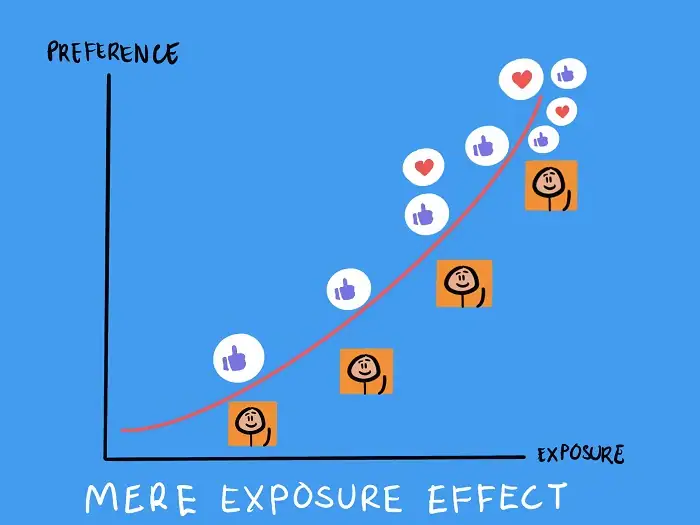
It’s not about speaking perfectly. For parents, small moments add up when they stick to a few clear lines every day. Think short bursts that happen often – daily five-minute talks work better than one long session each week. Routine makes the difference.
Also Read: Speaking Spanish Starts Where Comfort Breaks
What Spanish Gives Kids Beyond Vocabulary
Not only does Spanish give kids a way to talk with more people. It hands them fresh lenses for understanding moments, distances, feelings, and identity. With every new expression they take in, their focus shifts slightly.
Learning words is part of it. But really, they’re training themselves to think in layers – juggling different versions of reality side by side. This skill stays past early years.
Final Thought: Quiet Changes That Last
This won’t make every child fluent overnight. Results differ widely. A few push back at first. Meanwhile, some pick up words like background music.
One thing stays true: meeting a second tongue young tweaks thinking – softly, quietly, for good. Nothing flashy happens – just quiet changes deep inside.
Spanish Words for Kids: Quick Overview
| Area | What Kids Learn |
| Vocabulary | Everyday objects and actions |
| Grammar | Simpler patterns like “hay” |
| Thinking | Context, flexibility, attention |
| Emotion | Words tied to behavior |
| Habit | Learning through routine |
FAQs About Spanish Words for Kids
Do you know when kids should start learning Spanish words?
Early exposure works best, even before school age.
I want to know if grammar matters for kids.
They absorb patterns naturally without formal rules.
Do you know how many words kids need to start speaking?
Just a few repeated daily words are enough.
I want to know if mixing languages confuses children.
No, it strengthens mental flexibility.
Do you know the best way parents can help?
Use Spanish during everyday activities.