

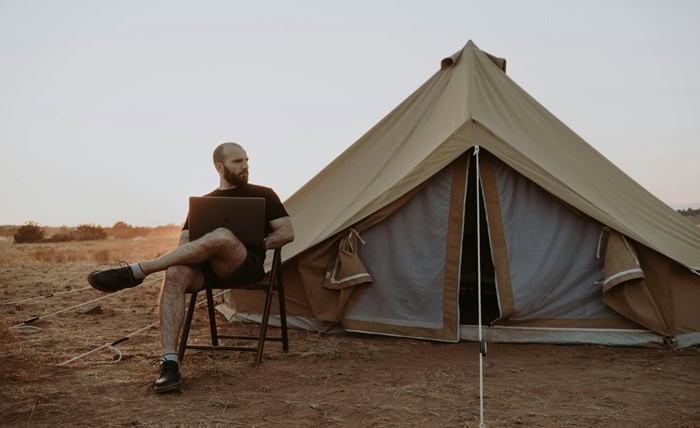
Productivity means something very different when you do not have a fixed address. When you are on the move, days do not follow neat templates. Some mornings feel sharp and focused, while others feel laid back.
The difference between a productive day and a wasted one rarely depends on how early you wake up or how many tasks you check off. It depends more on how you manage your energy.
Digital nomads who last longer than a few months learn quickly. A productive day does not start with hustle. It begins with direction and a mug of coffee. Astro Coffee reflects on this ritual by giving insights into a mobile-first setup, quality drinks, and strong community values.
Create an environment that supports focus without pressure. The place where you start working matters more than people admit. Sitting down somewhere intentionally changes how the brain approaches work. A consistent starting point helps signal that it is time to focus, even when everything else feels temporary.
Most Work Happens in Fewer Hours Than Expected
One of the biggest productivity myths nomads unlearn is the idea that long days equal good output.
They do not.
The best version of work usually happens in intervals. Writing, strategy, design, analysis, or coding all need uninterrupted attention. Once that attention breaks, the quality drops fast.
Productive nomads protect these hours fiercely. Notifications stay off. Messages wait. Meetings happen later. This is not discipline. It is self-preservation.
Research based at the University of Washington supports this. But most nomads do not need studies to believe it. They have already lived through the 9-to-5 work framework. In spite of long hours, they found no productivity.
Frequent Breaks Keep You Going
Do you think skipping breaks is a hustle? Imagine not even blinking for hours while working. Your health doesn’t deserve this.
Working in new environments drains the body. Different chairs. Different lighting. Different noise. Productive nomads build movement into their day, whether they feel like it or not.
A short walk. Stretching. Stepping outside for air. These moments reset attention and prevent burnout from sneaking in.
Breaks also reconnect nomads with where they are. Exploring a neighborhood or grabbing lunch locally reminds them why they chose this lifestyle. That emotional recharge often matters more than the physical one.
Studies consistently show that movement improves focus and decision-making. Nomads feel the difference immediately when they ignore it.
Midday Is for Adjusting, Not Judging
Around the middle of the day, productive nomads take stock. They do not criticize the morning. They look at it honestly. What moved forward? What did not? What still needs attention today?
This reset prevents the common mistake of forcing productivity when energy is already gone. Some days are slower. Fighting that reality usually makes things worse.
Small wins matter when you work alone. Finishing a section. Sending something important. Solving a stubborn issue. Acknowledging progress keeps momentum alive.
Communication Has Clear Edges
Nomads who stay productive do not stay available all the time. Emails, messages, and calls live inside defined windows. Outside those windows, focus stays protected. This becomes essential when working across time zones.
Clear boundaries reduce stress on both sides. Clients adjust. Teams adapt. Asynchronous work becomes efficient instead of frustrating. Constant availability feels helpful. In reality, it erodes deep work.
A productive day does not fade out. It ends on purpose. Tasks get closed or clearly parked. Tomorrow’s priorities get written down. Open loops stop living in the back of the mind. Without this habit, work leaks into the evening. Sleep suffers. Motivation drops.
Studies show that intentional shutdown routines improve sleep quality and next-day performance. Nomads notice this immediately when they skip the step.
Productivity Is a Survival Skill for Nomads
Productivity is not about squeezing more work into a day for digital nomads. It is about building days that can repeat without exhaustion. As Kahlil Gibran once said, “Work is love made visible.”
The most productive nomads are not the busiest. They are the most intentional. They choose environments carefully. They work deeply, not endlessly. They move their bodies. They respect their limits. They close their days properly.
A productive day does not look dramatic. It feels steady, focused, and calm. Over time, those days add up. Not just to better work, but to a lifestyle that actually feels sustainable while moving through the world.