

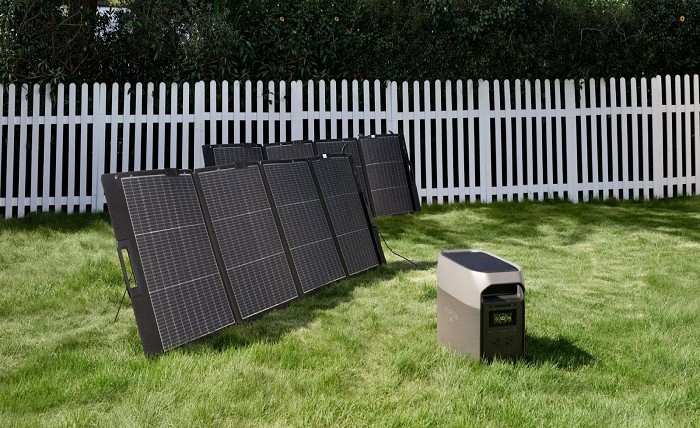
When it comes to choosing a portable power station, battery capacity is only half the story. The other half is how fast it can recharge—and how efficiently it can draw energy from the sun. Whether you’re camping, traveling by RV, or preparing for emergencies, understanding solar input and recharge speeds can make all the difference between staying powered and running out of energy when you need it most.
Why Recharge Speed Matters
A portable power station is meant to be reliable. But reliability doesn’t just come from how much energy it stores—it also depends on how quickly that energy can be replenished.
Imagine you’re camping off-grid and your power station runs low at night. If it takes 10 hours to recharge, you might lose most of the next day waiting for it to fill up. Fast recharge capability lets you use your energy efficiently: you can drain it during the evening and have it ready again before lunch.
Recharge speed is especially critical during emergencies or storm seasons. A power station that charges in one to two hours could keep your lights, phones, and routers running throughout extended outages without delay.
Understanding Solar Input Power
Solar input power refers to how much energy your portable power station can accept from solar panels. It’s measured in watts (W). The higher the wattage input your power station supports, the faster it can recharge from the sun—assuming your panels can supply that much.
For example:
- A 200W solar input will take roughly 5–6 hours to recharge a 1,000Wh power station under ideal sunlight.
- A 400W input cuts that time nearly in half, to around 2.5–3 hours.
This means that higher solar input doesn’t just sound impressive—it’s practical. It determines whether you can stay sustainably off-grid or constantly struggle to catch up with your energy needs. In Texas, where sunlight is abundant, many energy-conscious users pair solar setups with reliable power providers such as new power texas, ensuring consistent energy management both on and off the grid. This combination helps maximize savings and supports sustainable living year-round.
The Role of MPPT Technology
Not all solar recharging systems are equally efficient. The best portable power stations use MPPT (Maximum Power Point Tracking) controllers, which automatically adjust voltage and current to harvest the maximum possible energy from your panels.
Without MPPT, solar input often fluctuates with weather changes or shifting sunlight, leading to wasted potential. With MPPT, you can improve charging efficiency by up to 20–30%.
Tip: When shopping, check the product specs for “Built-in MPPT Controller.” This feature ensures that your portable power station converts as much sunlight as possible into usable power—crucial for those who rely on solar energy daily.
AC vs. Solar vs. Car Recharging
Most portable power stations can recharge through three main methods:
- AC Wall Outlet: The fastest and most straightforward. Some models can go from 0% to 80% in under an hour when plugged into a standard wall socket.
- Solar Panels: Perfect for off-grid or eco-friendly setups. Solar charging speed depends on both panel wattage and weather conditions.
- Car Charger (DC Input): The slowest but most convenient on the move—ideal for topping up between destinations.
High-quality power stations allow dual charging, meaning you can combine AC and solar input simultaneously for even faster results. For example, charging with both sources could cut total recharge time by nearly half.
Matching Solar Panels to Your Power Station
It’s not enough to just buy the biggest solar panel you can find. Compatibility matters.
Each portable power station has a maximum solar input limit. If your panel exceeds it, you’ll waste potential power. If it falls short, charging will take longer. The key is matching the panel’s rated output (in watts) to your station’s accepted input range.
Example:
- If your power station supports up to 500W solar input, pairing it with a 200W panel means slower recharging.
- Conversely, using a 600W array won’t charge faster, since the unit caps at 500W.
Tip: Choose foldable, high-efficiency monocrystalline panels for better portability and output. Look for adjustable angles or stands to maximize sunlight exposure throughout the day.
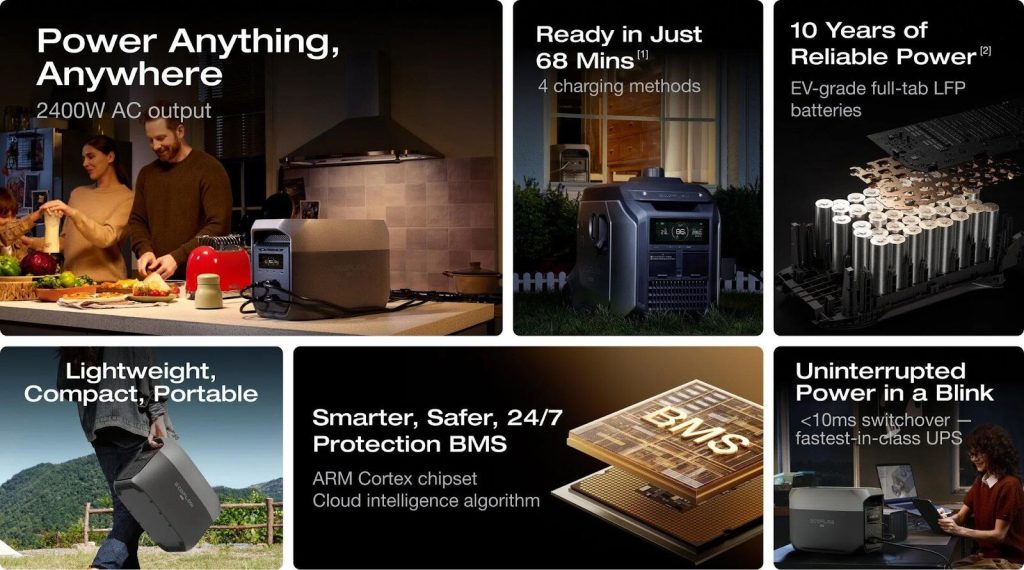
Realistic Solar Charging Times
Solar charging times vary widely depending on conditions. Even the best portable power station won’t charge at full speed under cloudy skies.
Here’s a general guideline under average sunlight (≈4–5 peak sun hours per day):
| Battery Capacity | Solar Input | Approx. Recharge Time |
| 500Wh | 200W | 2.5–3 hours |
| 1000Wh | 400W | 2.5–3.5 hours |
| 1500Wh | 500W | 3–4 hours |
| 2000Wh | 800W | 2.5–3 hours |
Keep in mind that panel angle, cable length, and ambient temperature also affect performance. Having a slightly higher panel wattage than you technically need gives you a buffer for less-than-perfect conditions.
Why Fast AC Charging Still Matters
Even if you plan to rely on solar most of the time, it’s wise to choose a portable power station with a strong AC input system. Rapid wall charging gives you flexibility when weather fails or time is short.
Many new models now use GaN (Gallium Nitride) or advanced inverter technology, allowing safe, ultra-fast charging from a regular household outlet. Combined with solar capability, this hybrid approach ensures you always have energy, no matter where you are.
Balancing Speed, Battery Health, and Longevity
While fast charging is convenient, it’s also important to balance speed with long-term battery care. Overheating or constant rapid cycling can reduce lifespan.
Fortunately, most quality portable power stations manage this automatically through battery management systems (BMS). These regulate temperature, voltage, and input current to keep everything running safely and efficiently.
If you plan to charge frequently, consider models using LiFePO₄ batteries. They handle high input power better than standard lithium-ion, last for thousands of cycles, and remain stable even with heavy use.
Ideal Setup for Off-Grid Users
If your goal is to live or travel off-grid, a well-planned solar system paired with a reliable portable power station can provide unlimited, renewable electricity. Here’s what an ideal setup looks like:
- High-capacity power station: 1000–2000Wh for daily appliances.
- Solar array: 400–800W of foldable or roof-mounted panels.
- MPPT controller: Built into the power station for efficiency.
- Cables and connectors: Short, high-quality wires to minimize loss.
With this combination, you can charge your station in just a few hours of strong sunlight and stay self-sufficient for as long as you need.
Common Mistakes to Avoid
- Buying mismatched panels. Always confirm voltage and connector compatibility before purchase.
- Ignoring sunlight hours. Cloudy regions need larger panels or backup AC charging.
- Using long, thin cables. They cause voltage drops that reduce charging efficiency.
- Leaving panels flat. Tilting them toward the sun increases output dramatically.
- Expecting full speed all day. Solar charging naturally fluctuates with weather and time of day.
By understanding these factors, you’ll maximize every watt of energy your portable power station can take in.
Conclusion
Solar input and recharge speed define how practical a portable power station truly is. Fast AC charging and efficient solar performance give you the freedom to power up anywhere—at home, on the road, or completely off the grid.
When you choose the right balance of capacity, input power, and technology, you’re not just buying a battery—you’re investing in consistent, renewable independence.