

Rethinking Pain Management with Osteopathic Manipulative Techniques
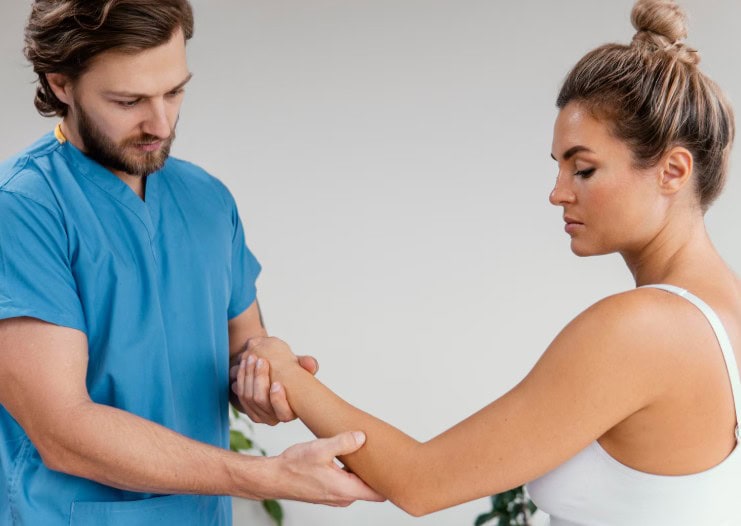
Conventional pain management often relies too heavily on medication, masking symptoms without solving root causes. Pain deserves precision, not blunt-force pharmaceutical suppression. Osteopathic manipulative techniques bring a tactile intelligence to treatment, working with the body’s structures to restore balance. These methods aren’t a replacement for conventional care, but they sharpen its edge. By integrating hands-on interventions with established medical strategies, osteopathic therapy addresses function and mechanics directly, often where drugs and generic exercise plans fall short. The focus shifts from temporary relief to structural correction, a welcome pivot in the current pain-care landscape.
Exploring Joint Mobilization Methods in St. George
Joint mobilization isn’t guesswork; it’s calculated movement. Direct mobilization uses controlled force through a restricted joint to reclaim lost motion. Indirect mobilization works around resistance by coaxing tissues into releasing tension naturally. Both approaches can transform stubborn stiffness into usable mobility. For clients searching for joint mobilization St George practitioners, the emphasis is on improving range and stability simultaneously. A well-executed mobilization can mean the difference between joints that merely move and joints that move with purpose, precision, and minimal strain on surrounding tissues.
Targeting Chronic Back Discomfort via Osteopathic Approaches
Chronic back pain often blends mechanical misalignment with soft-tissue tension. Faulty posture, repetitive strain, and scar tissue make a toxic trio that wears down spine health. Osteopathic techniques like muscle energy exploit the body’s own muscle contractions to realign. Myofascial release works deep into connective tissue to undo years of restriction. These aren’t vague “massages” but targeted mechanical interventions. Patients frequently report improved gait, easier breathing, and reduced reliance on painkillers after structured sessions. Clinical reviews suggest better flexibility and strength within weeks, provided the plan addresses both joint mechanics and supportive musculature.
Incorporating Soft Tissue Manipulation for Holistic Wellness
Soft-tissue manipulation is about giving muscles, fascia, and connective layers a reason to cooperate. Trigger-point release interrupts pain cycles by neutralizing contracted nodules. Cranial manipulation influences subtle tension patterns that affect nerve signaling and circulation. These methods aren’t abstract wellness gestures; they create physical changes. Improved blood flow powers repair, while better nerve conduction supports functional coordination. Over time, tissue quality shifts from brittle and reactive to resilient and responsive. This is the difference between temporary comfort and sustainable freedom of movement.
Crafting Personalized Osteopathic Treatment Plans
Every body tells a different story, and treatment must match its plot. Start with a thorough assessment, define specific recovery goals, and select techniques suited to the individual’s biomechanics. A smart plan includes posture evaluation, movement analysis, and functional strength checkpoints. Without these components, the work risks becoming a generic exercise in good intentions rather than a measurable intervention.
Tracking Patient Progress in Osteopathic Therapy
Progress isn’t a feeling, it’s a record. Objective tools like range-of-motion measurements and strength benchmarks deliver hard evidence. Subjective scales, such as detailed pain ratings, show how the patient’s perception changes alongside physical gains. Aim for achievable targets like a 20% mobility boost within two weeks, then recalibrate every few sessions. Without consistent reassessment, the therapy drifts, and so do the results.
Navigating Osteopathic Therapy Options in St. George
St. George offers everything from fully licensed DOs to physical therapists cross-trained in manipulative techniques. Technique skill matters more than titles. To locate qualified providers, many patients search for osteopathic manipulation therapy St George. When vetting a clinic, watch for depth of assessment, treatment variety, and clear progress tracking. A reputable practice explains its approach without resorting to vague wellness jargon and backs every claim with evidence of functional improvements.
Preparing for an Osteopathic Manipulation Session
Wear flexible clothing that allows unrestricted movement. Bring any relevant imaging or medical reports to cut guesswork from the session. Have your questions ready—clarity is currency in bodywork. Sessions average 30 to 60 minutes and should feel challenging yet safe. Comfort comes from competent execution, not from gentle avoidance.
Sustaining Benefits with At-Home Osteopathic Exercises
Hands-on therapy ignites change, but home-based exercises keep that fire burning. Gentle spinal stretches, targeted mobility drills, and consistent posture corrections reinforce the gains made in session. The goal is integration—making the body use its improved alignment during everyday tasks. Skip these, and the old patterns creep back. Keep them consistent, and the therapy’s effects can compound into long-term biomechanical integrity.
Empowering Joint Health through Hands-On Osteopathic Care
Osteopathic therapy delivers tangible results when precision techniques meet patient commitment. From mobilization and tissue release to targeted back pain interventions, each method earns its place in the arsenal. Take the next step. Explore skilled local practitioners and commit to the habits that keep your joints, and your life, in motion.