

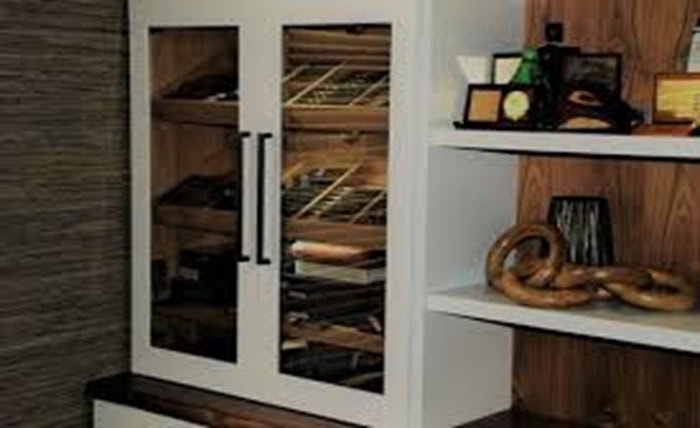
For many years, humidors were treated as purely functional objects, often tucked into offices, closets, or corners where they could do their job quietly without being seen. That mindset has shifted as homeowners have become more intentional about how storage fits into their living spaces. Today, pieces like display cabinet humidors are no longer hidden accessories but design-forward elements that contribute to the character of a room. With glass fronts, interior lighting, and furniture-grade finishes, these cabinets are increasingly chosen not just for what they store, but for how they look and feel within a space.
This evolution reflects a broader change in how people think about interiors. Storage is no longer something to disguise. When done well, it becomes part of the visual language of the home.
The Move Toward Visible, Intentional Storage
Modern interiors place a greater emphasis on openness and transparency. Built-ins, open shelving, and glass-front cabinets are now common in kitchens, living rooms, and offices. This approach makes spaces feel more lived-in and personal, allowing homeowners to showcase the items they value rather than hiding them away.
Humidor cabinets fit naturally into this design philosophy. When storage is visible, it invites care and organization. Items are arranged thoughtfully, not stacked or forgotten, and the cabinet itself becomes an active participant in the room rather than a background object.
This visibility also changes how the piece is perceived. Instead of being a utility item, it becomes a feature that adds depth and intention to the space.
How Humidor Cabinets Anchor a Room
One reason display-focused cabinets have gained popularity is their ability to anchor a room visually. Much like a bookcase or bar cabinet, a well-proportioned humidor cabinet introduces verticality and structure, helping define a space without overwhelming it.
In living rooms or lounges, these cabinets often act as a focal point, balancing seating arrangements and complementing other furniture. In studies or home offices, they add warmth and texture, softening spaces that might otherwise feel overly minimal or sterile.
Because they are designed at furniture scale, these cabinets feel purposeful rather than intrusive. Their presence is deliberate, which makes them easier to integrate into a variety of layouts.
Design That Reflects Broader Interior Trends
The rise of humidor cabinets mirrors trends seen across the design world. Homeowners are gravitating toward pieces that combine craftsmanship with restraint. Clean lines, natural materials, and thoughtful detailing are favored over ornate or trend-driven designs.
Many modern humidor cabinets lean into this sensibility. Wood tones are rich but not flashy. Hardware is understated. Glass is used sparingly to create balance between openness and structure. These design choices allow the cabinet to complement a room rather than dominate it.
As a result, humidor cabinets now feel at home in both traditional and contemporary interiors, adapting easily as surrounding décor evolves.
Craftsmanship as a Design Feature
Another reason humidor cabinets are being displayed more prominently is a renewed appreciation for craftsmanship. As mass-produced furniture becomes less appealing, people are seeking pieces that feel substantial and well made.
A quality humidor cabinet reflects this shift. Solid construction, careful joinery, and attention to proportion all contribute to a sense of longevity. These are pieces designed to be used and appreciated over time, not replaced when trends change.
When craftsmanship is visible, it becomes part of the aesthetic. The cabinet tells a story through its materials and construction, adding quiet character to the room.
Blending Function With Lifestyle
Homes today are increasingly designed around lifestyle rather than formality. People want spaces that support how they actually live, unwind, and entertain. Furniture that serves a specific purpose tends to feel more satisfying because it aligns with real routines.
Humidor cabinets benefit from this approach because their function is clear, yet their design allows them to blend seamlessly into everyday spaces. They do not require special rooms or accommodations. Instead, they become part of the environment, supporting routines without disrupting the flow of the home.
This balance between function and lifestyle is a key reason these cabinets are no longer hidden.
Accessibility and the Role of Specialty Retailers
As interest in display-oriented humidors has grown, access to well-designed options has improved. Specialty retailers such as Refined Traditions have played a role in making furniture-grade humidor cabinets more visible and easier to source, offering options that prioritize both presentation and performance.
This availability has helped shift perception. When homeowners can easily find cabinets that look appropriate for living spaces, they are more likely to treat them as design elements rather than purely functional tools.
The result is a broader acceptance of humidor cabinets as part of intentional home design.
A Reflection of Intentional Living
At its core, the rise of humidor cabinets as statement pieces reflects a larger cultural move toward intentional living. People are becoming more selective about what they bring into their homes, favoring fewer items that serve a clear purpose and contribute meaningfully to the space.
Visible storage encourages mindfulness. It invites organization, care, and appreciation rather than neglect. When storage is designed to be seen, it naturally becomes part of the home’s identity.
Humidor cabinets embody this shift by blending utility with design in a way that feels thoughtful and personal.
Storage That Is Meant to Be Seen
As homes continue to evolve, the line between furniture and function will likely continue to blur. Pieces that once lived in the background are now stepping forward, valued for both what they do and how they look.
Humidor cabinets are a clear example of this transition. No longer hidden away, they have become expressive, intentional elements that add structure, character, and purpose to a room. In embracing visibility, they reflect a broader design philosophy that values honesty, craftsmanship, and living with intention.