

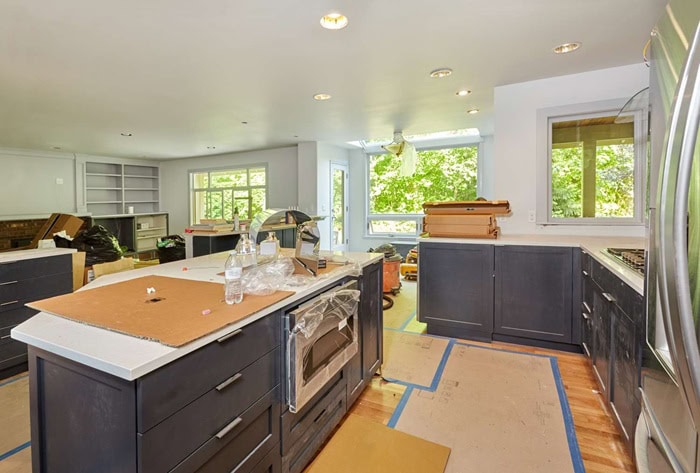
Home renovation trends are increasingly shaped by rising costs and stricter regulations. Homeowners are now focusing on upgrades that add value without triggering complex construction work. Denver offers a clear example of this shift.
According to Angie’s, all major construction projects in the city require permits. Permit fees start at $420 for the first $50,000 of project value, with an additional $7 per $1,000 beyond that. These added requirements encourage smarter, lower-impact improvements.
Instead of full structural changes, many homeowners are turning to exterior and functional upgrades. For example, an artificial turf installation in Denver can enhance appeal while avoiding heavy permitting and prolonged construction timelines.
In this article, we explore the renovation trends that quietly increase property value while minimizing regulatory hurdles and long-term maintenance.
Low-Maintenance Upgrades Buyers Actively Look For
Low-maintenance upgrades are becoming a top priority for today’s homebuyers. Buyers increasingly value features that reduce upkeep and lower ongoing utility costs.
According to Realtor, four of the five fastest-growing home features are tied to energy performance. WaterSense fixtures lead the list, growing nearly 290 percent year over year. Biophilic indoor-outdoor features followed, rising 162.6 percent, while net-zero-ready homes increased 100 percent. EV charging setups also grew by 91 percent.
These upgrades require minimal maintenance once installed. They signal efficiency, future readiness, and lower ownership effort. For buyers, that combination quietly adds long-term value.
Outdoor Improvements That Increase Usable Living Space
Outdoor improvements are increasingly viewed as extensions of usable living space. Buyers now look beyond interiors when evaluating a home’s overall functionality. Well-designed outdoor areas support relaxation, entertaining, and everyday use. Low-maintenance upgrades make these spaces more appealing year-round.
Indy Artificial Turf notes that transforming an outdoor area should be simple and stress-free. They recommend premium artificial turf for a consistently green yard without watering or mowing. This type of upgrade removes ongoing upkeep while keeping outdoor spaces visually appealing.
Patios, seating zones, and clean landscaping also help define usable areas. Together, these improvements make outdoor spaces feel purposeful. Homes with functional exteriors often stand out to buyers and quietly command stronger property value.
Energy Efficiency Improvements With Measurable ROI
Energy efficiency improvements are delivering some of the most reliable returns in today’s housing market. Buyers increasingly pay attention to energy performance and long-term operating costs.
Research published in the Wiley Online Library shows a clear pricing advantage. Homes rated as energy-efficient sold for 2.7 percent more than nonrated homes. Properties with stronger efficiency ratings achieved 3 to 5 percent higher sale prices. These gains come from buyer confidence in lower utility bills and better comfort.
Popular upgrades include insulation improvements, efficient windows, and modern heating systems. Unlike cosmetic changes, energy upgrades provide ongoing savings. That combination of reduced costs and higher resale value creates a measurable return on investment for homeowners.
Renovations That Improve Day-to-Day Functionality
Renovations that improve day-to-day functionality focus on making homes easier and more efficient to live in. Buyers value spaces that support modern routines and lower operating effort.
According to the U.S. Department of Energy, ultra-efficient homes combine advanced construction, efficient appliances, and modern lighting systems. These homes also integrate renewable solutions like solar water heating and solar electricity. Functional upgrades such as smart lighting, efficient layouts, and modern appliances simplify daily tasks. They also reduce energy waste and improve comfort.
Unlike cosmetic changes, these renovations are noticed through daily use. Homes that function smoothly often feel more valuable to buyers. That practicality quietly strengthens long-term property appeal and resale confidence.
Sustainable Renovation Choices Gaining Buyer Trust
Sustainable renovation choices are steadily earning buyer trust in today’s housing market. Buyers increasingly look for homes that balance comfort with environmental responsibility. Features that reduce water use, energy consumption, and material waste stand out quickly.
Durable materials signal long-term reliability and fewer future repairs. Energy-efficient fixtures and low-impact finishes also suggest lower monthly costs. Many buyers associate sustainable upgrades with healthier indoor environments. These choices often feel more future-ready and responsibly designed.
Unlike trend-driven updates, sustainable renovations age well over time. They attract buyers who prioritize lasting benefits and durability instead of temporary design trends. By prioritizing sustainability, homeowners build confidence and strengthen property appeal without relying on dramatic remodels.
Why Subtle Renovations Often Outperform Major Remodels
Major projects can be expensive, disruptive, and risky for resale value. Smaller upgrades tend to appeal to a wider range of buyers. These changes improve comfort and function without overwhelming personal style.
Subtle renovations are also faster to complete and easier to budget. They usually avoid heavy permitting and unexpected construction issues. Buyers notice improvements that make daily living easier right away. Updated finishes, efficient systems, and practical layouts create strong impressions.
Unlike dramatic remodels, subtle upgrades blend seamlessly into existing homes. This approach reduces investment risk while steadily increasing overall property appeal and market confidence.
Frequently Asked Questions
Do buyers value renovations differently in urban versus suburban markets?
Yes. Urban buyers often prioritize space efficiency, low maintenance, and energy efficiency, while suburban buyers tend to value outdoor upgrades, storage, and flexible living areas. Location influences lifestyle needs, which shape how renovations are perceived and valued in each market.
Should renovations be timed before selling or done years in advance?
Renovations done years in advance often deliver better value. They allow homeowners to enjoy the improvements while spreading costs over time. Well-maintained upgrades also age naturally, making the home feel lived-in rather than newly altered just for resale.
How do renovation trends change during slower housing markets?
During slower housing markets, renovation trends shift toward cost control and practicality. Homeowners focus on maintenance, energy efficiency, and functional upgrades rather than luxury remodels. Buyers become more cautious, valuing durability and long-term savings over aesthetic features.
Why Smart Renovations Deliver Lasting Value
Today’s renovation trends favor thoughtful upgrades over major construction. Buyers respond to homes that feel efficient, functional, and easy to maintain. Subtle improvements reduce risk while delivering measurable returns.
By focusing on usability, sustainability, and efficiency, homeowners can increase property value without unnecessary disruption.