

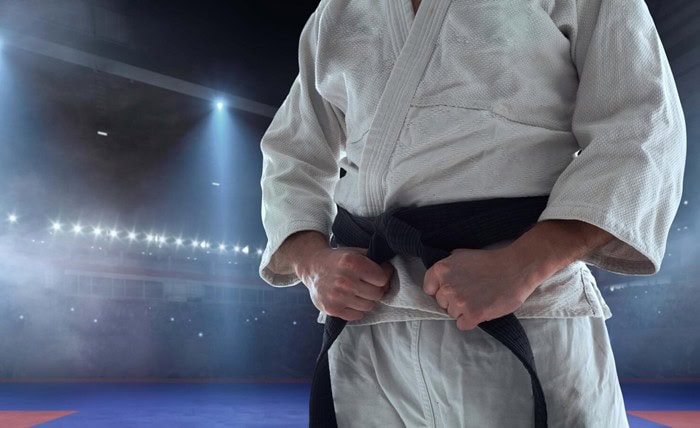
More than just matches or workouts, Japan’s bond with martial arts reveals something foundational. Judo, karate, and MMA aren’t only physical practices – each grows from ideas about honor, control, and personal growth. Because of this, they’ve quietly influenced wider social habits far beyond the training hall. To grasp how sports are seen across the country, one might begin by studying these long-standing fighting forms. Their legacy shows up everywhere, even where it seems least expected.
Judo: Japan’s Olympic Pride and Cultural Cornerstone
Born in 1882 under the guidance of Jigoro Kano, judo stands apart as the initial martial tradition from Asia to enter Olympic competition – first seen during Tokyo’s games in 1964. Despite shifts in global athletics, it holds steady as a widely embraced discipline within Japan, with millions formally trained across its regions. Starting young is common; schools weave judo into standard fitness instruction from early grades. More than movement alone, it reflects a distinct cultural blend where physical mastery meets personal character growth.
Following fights closely becomes more interactive through platforms that include judo, MMA, or boxing events in their odds offerings. Because these services highlight global combat sports, supporters often rely on the MelBet login to reach wagering options without delay. Instead of passive viewing, enthusiasts analyze fighter standings, past performances, and event structures before stepping into available markets. With details at hand, choices gain clarity even when outcomes remain uncertain. Access shifts from mere observation to deeper involvement when tools meet knowledge.
Karate: From Cultural Export to Olympic Stage
Born in the Ryukyu Kingdom – modern-day Okinawa – karate moved beyond local roots as Japan shared aspects of its culture abroad throughout the 1900s. Despite skipping Paris 2024, hopes remain alive thanks to ongoing work by the World Karate Federation aiming to bring it back. Tokyo 2020 marked a peak moment when karate appeared at the Olympics, deeply meaningful for those who train in Japan. Today, more than 100 nations take part, making it one of the country’s farthest-reaching martial traditions.
When watching fights unfold in real time, shifting odds often sharpen a viewer’s attention. Newcomers to wagering sites might find that MelBet registration brings combat sports into clearer view, along with more common choices such as soccer or hoops. Step-by-step setup leads directly to tools designed for quick-moving contests – think mixed martial arts or full-contact karate. Access arrives without delay once enrollment finishes, placing dynamic features within reach just as rounds begin.
MMA’s Rise and Japan’s Deep Connection to the Sport
A key chapter in modern MMA unfolded in Japan. Running between 1997 and 2007, Pride Fighting Championships stood among the top global platforms for the sport, lifting its visibility far beyond national borders. Fighters such as Kazushi Sakuraba rose to fame through dramatic matches that captivated viewers across the country. Now, Rizin Fighting Federation carries forward this legacy, hosting major events where athletes from Japan meet competitors worldwide. Though decades have passed, the nation remains deeply tied to MMA’s evolution.
Looking closer reveals differences among Japan’s top three martial arts through various cultural lenses:
| Martial Art | Olympic Status | Origin | Estimated Practitioners in Japan |
| Judo | Active Olympic Sport | Tokyo, Japan (1882) | Over 2 million |
| Karate | Debuted at Tokyo 2020 | Okinawa, Japan | Approx. 1.3 million |
| MMA | Non-Olympic | Global, rooted in Japan | Growing, no official count |
Born from separate roots, each practice holds its own space within Japan’s athletic and traditional life. Shaped by shifting times and beliefs, they trace unique paths through history.
How Martial Arts Values Influence Japanese Sports Culture Broadly
Starting outside of physical training spaces, martial arts reach into broader areas of life. From disciplines such as judo and kendo come ideas – “bushido,” fairness – that quietly guide athlete conduct nationwide. In soccer, track, or baseball settings, mentors bring up these values while shaping group norms.
Because of this blend, fighting systems act not just as games but as underlying codes influencing Japan’s entire mindset toward rivalry.
Japan’s Martial Spirit Continues to Define Its Champions
Though often linked, judo, karate, and MMA shaped Japan’s sporting image in separate ways. Their collective impact stretches far beyond rankings or titles. Medals at the Olympics, high-profile matches abroad – these moments spotlight fighters who represent more than skill alone. Much like students searching for performing arts classes near me to master the physical discipline and expressive poise required for the stage, these athletes understand that movement is a form of communication. Embedded in each bout are traits like discipline, modesty, and effort. Watch any Japanese competitor overseas, and notice how conduct follows performance. Long after contests end, that mindset lingers. Because of such depth, the country’s combat heritage stands out on the world stage.