

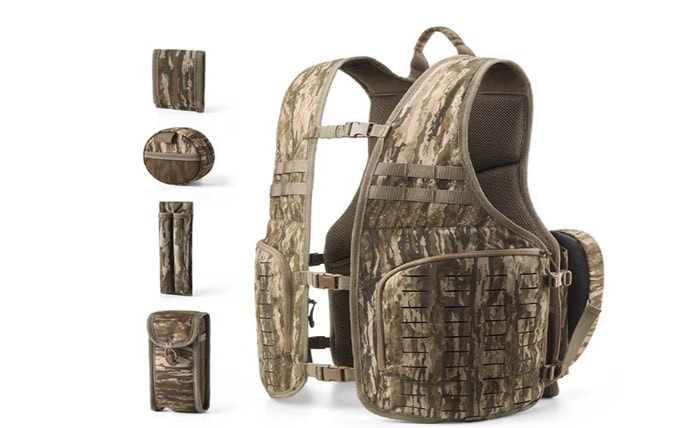
Turkey hunting is one of the most demanding and rewarding pursuits in the field. It requires patience, preparation, and the ability to stay still and focused for extended periods, often in difficult terrain and changing weather conditions. Every piece of gear you carry either supports that mission or works against it.
Few pieces of equipment have as much impact on a turkey hunter’s performance as the vest. It carries your calls, shells, and accessories. It keeps you organized when seconds matter. And if it has a built-in seat, it determines how comfortably you can wait out a stubborn tom for hours at a time.
Choosing the wrong vest means fatigue, frustration, and missed opportunities. Choosing the right one means staying in the field longer, moving more freely, and being ready when the moment arrives.
Why the Right Vest Makes a Real Difference
Most hunters focus their gear decisions on firearms, calls, and camouflage patterns. The vest often gets treated as an afterthought — a simple carrier for shells and accessories. That approach costs hunters in the field.
A poorly designed vest creates problems that compound over time. Uncomfortable straps cause fatigue during long walks in. Shallow pockets that spill gear create noise at the worst possible moment. A flimsy or absent seat means sitting on cold, damp ground for hours, draining energy and focus.
The right vest solves all of these problems before they start. It distributes weight evenly, keeps gear organized and accessible, and provides a stable, comfortable seat that lets you focus entirely on the hunt rather than your own discomfort.
Comfort and the Built-In Seat
For turkey hunters who spend long hours against a tree waiting for a bird to commit, seat comfort is not a luxury — it is a necessity. A built-in seat that is too thin, too narrow, or poorly positioned forces hunters to shift and fidget, creating noise and movement that spooks birds at critical moments.
High-quality seat vests use dense, high-rebound foam that maintains its shape and cushioning through full hunting days. The seat should sit at a height and angle that supports a natural, relaxed position against a tree without forcing the hunter to lean or strain. Stable foam that does not compress flat within the first hour of use is a key quality indicator to look for.
Sit-to-stand transition speed matters too. When a bird commits and it is time to move, a vest with a well-designed seat allows hunters to rise smoothly and quietly without fighting the equipment. For hunters who want this combination of cushioned comfort and field-ready performance, a well-constructed turkey hunting seat vest delivers a meaningful advantage during long sit sessions.
Weight and Stealth Fabric
Turkey hunting often involves covering significant ground before settling in. A heavy vest adds fatigue before the hunt has even started. Every unnecessary pound carried through the woods is energy that cannot be spent staying alert and patient at the tree.
Lightweight construction is a critical feature in quality turkey vests. The best designs use materials that minimize overall weight without sacrificing structural integrity or storage capacity. Hunters who cover multiple setups in a single morning feel this advantage immediately.
Equally important is fabric noise. Turkeys have exceptional hearing, and the rustle of a stiff or crinkly vest while reaching for a call or adjusting position can end a hunt instantly. Silent, brushed fabrics that move without sound are a non-negotiable feature for serious turkey hunters. Any movement in the field, however small, needs to happen without the vest announcing it.
Storage and Organization
A turkey vest is only as good as its organizational system. When a bird is drumming at thirty yards, fumbling through disorganized pockets for a call or a shell is not an option. Everything needs to have a place and be instantly accessible.
Shell loops and dedicated call pockets are baseline requirements. Beyond those basics, the best vests offer hydration compartments for all-day comfort in warm spring conditions, multiple zippered accessory pockets for rangefinders, licenses, and personal items, and a rear game bag large enough to carry a bird out of the field cleanly.
MOLLE modular attachment systems add significant versatility for hunters who like to customize their load. The ability to add or remove pouches based on the day’s conditions and terrain means the vest adapts to the hunt rather than forcing the hunter to adapt to the vest.
Fit and Adjustability
A vest that fits poorly undermines every other feature it offers. Straps that sit incorrectly distribute weight unevenly, causing shoulder and back fatigue during long carries. A vest that is too loose shifts during movement, creating noise and restricting access to pockets at critical moments.
Adjustable strap systems that allow hunters to dial in a precise, body-conforming fit are essential for all-day comfort and performance. The best designs account for layering — allowing the vest to fit correctly over a base layer in warm conditions and over heavier insulation during cold early-season mornings.
For hunters who want a fit-specific option, browsing a dedicated range of men’s turkey vest designs allows comparison across different storage configurations, weight profiles, and fit systems to find the option that best matches individual hunting style and body type.
What to Look for When Buying
Before committing to a turkey vest purchase, run through this practical checklist:
Seat quality — Press the foam firmly. It should resist compression and spring back immediately. Thin foam that compresses flat quickly will not last through a full hunting day.
Fabric noise test — Run your hand across the fabric. Quality silent materials produce minimal sound. Stiff or crinkly fabric is a problem in the field.
Weight — Pick the vest up fully loaded with your typical gear. If it feels heavy before the hunt starts, it will feel much heavier by midmorning.
Pocket accessibility — Reach into every pocket while wearing the vest. Can you access your most-used gear quickly and quietly without removing the vest or twisting awkwardly?
Strap adjustability — Try the vest over both a light layer and a heavier insulation layer. A quality adjustable system accommodates both comfortably.
Build quality — Inspect stitching at stress points, zipper quality on main compartments, and seat attachment points. These are the areas that fail first on lower-quality vests.
Conclusion
A turkey hunting vest is one of the most personal and performance-critical gear decisions a hunter makes. The right vest keeps you comfortable through long sits, organized when it matters most, and mobile enough to cover ground without fatigue.
Comfort, weight, stealth fabric, storage organization, and proper fit are the five factors that separate a vest that enhances every hunt from one that creates problems throughout the season. Invest time in evaluating each before making your decision. The payoff shows up every morning you spend in the field.
When the birds are gobbling and the moment is close, the last thing you want to be thinking about is your gear.