

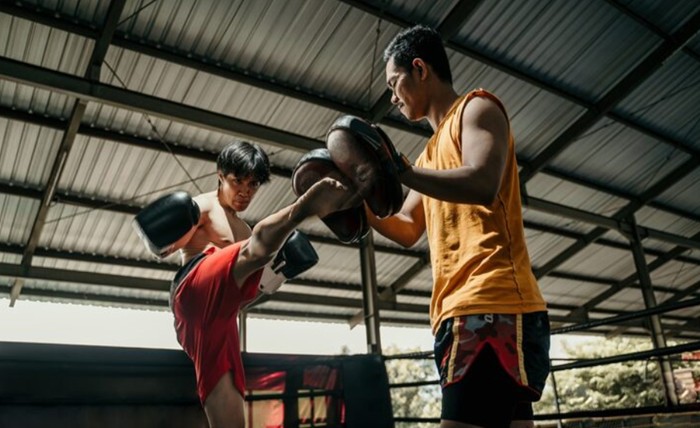
More people than ever before are training at Myanmar’s Gyms – packed with punches, sweat, and a fierce desire to succeed. No longer do fighters isolate themselves; their daily routines now reflect modern MMA techniques blended with local fighting traditions. Gym doors have opened wide in both Yangon and Mandalay for both new fighters and competitive fighters. If you’re looking for organization, self-control, and legitimate results, then this is your best opportunity to join.
MMA Techniques Meet Traditional Myanmar Fighting Culture
The moment you walk into an established MMA gym in Yangon, the pace hits you immediately. Pads crack sharply, coaches adjust every detail, and fighters move through combinations without hesitation. Many athletes track performance using the Melbet app download while following sports betting markets tied to fight outcomes and fighter form. This gives a clearer view of patterns, helping make smarter predictions and sharper decisions over time. In many cases, these facilities combine Brazilian jiu-jitsu, wrestling, and striking in a single session, creating balanced, adaptable athletes.
In smaller towns outside of major cities, there will be less intensity and fewer opportunities for competition, but the same level of dedication remains. Most small-town gyms teach fundamental fighting skills, such as boxing or other traditional striking arts. Coaches, in most cases, rely heavily on repetition, conditioning exercises, and controlled sparring sessions to create toughness in their fighters.
Notable Gyms and Training Spots
Myanmar’s combat scene is still growing, but several gyms stand out for consistency and coaching quality. These places attract both beginners and fighters aiming for competition. Before choosing, it’s worth understanding what each gym emphasizes and how it fits your goals:
- Yangon MMA Academy: Structured MMA programs with experienced coaches and a clear progression system.
- Mandalay Boxing Club: Focus on traditional boxing, heavy conditioning, and disciplined sparring routines.
- Local Lethwei Schools: Rooted in Myanmar’s striking heritage, with emphasis on toughness and timing.
- Hybrid Fitness Gyms: Combine strength training with basic combat skills for general fitness seekers.
Each option offers a different path, but all require commitment. Visiting a gym, watching a session, and speaking with coaches helps you choose wisely.
Choosing the Right Training Path
Finding the right place to train depends on what you want from the sport. Some gyms push competition, while others focus on fitness and self-defense. Many fighters also follow performance trends through Mel Bet, especially when exploring sports betting tied to real matchups and athlete progress. This helps them read fights better, spot patterns, and make more informed decisions over time. The environment shapes your habits, so choosing carefully matters more than rushing in.
MMA Gyms for Competitive Growth
MMA-focused gyms offer structured progression and exposure to multiple disciplines. Fighters train in grappling, striking, and conditioning, often within the same session. Coaches break down mistakes quickly, and sparring sessions test how well techniques hold under pressure. This environment suits those who want measurable progress and potential competition experience.
Consistency becomes the real challenge in these gyms. Training schedules are demanding, and improvement requires discipline outside sessions. Fighters who commit fully often see rapid gains, especially in coordination and decision-making. Those who hesitate tend to fall behind quickly.
Boxing and Traditional Schools
Boxing gyms in Myanmar have their own unique energy, based upon a rhythmic sense of discipline and repetition. The repetition is due to the footwork drills, heavy bag work and the controlled sparring that creates fighters who develop a deep sense of timing. Sessions at these training centers are typically high-intensity but focused (with fewer distractions) compared to many modern MMA training centers. For those looking for both sharp punching technique and strong disciplines, this is an excellent way to train.
What Training Actually Feels Like
No matter what gym you walk into, your first sessions will be tough. Your muscles get tired fast, it’s hard to find the right timing, and even doing the simplest moves can be difficult when everyone is watching. Your coaches want to see how hard you try. Not perfect. The way to make progress in training is to do the same things over and over again until they become natural.
Eventually, everything begins to fit together. Combinations begin to flow. Reactions improve. And sparring gets less chaotic. In many ways, the body will adapt. But most importantly, your mindset will also. What was once a struggle to train now feels like being in control.
Walking Through the Door
The hardest part is taking your first step into the gym. Once you’ve done this, routine takes over, and improvement is noticeable at almost every session. Combat Sports in Myanmar are exploding right now, and there is room for anyone who wants to put in the work. Pick a gym. Stay on track. Let the process transform you.