

Installing air conditioning is one of the most significant upgrades a homeowner can make to improve comfort, indoor air quality, and overall property value. Among the various cooling options available today, whole-home systems remain a popular choice because of their efficiency, quiet operation, and ability to maintain consistent temperatures throughout the house. However, many homeowners hesitate before moving forward because they are unsure about what influences the overall cost.
The central AC price can vary widely depending on several key factors, making it important to understand what you’re paying for before making a decision. Rather than focusing on a single number, it’s more helpful to look at the components and circumstances that shape the final investment.
Home Size and Cooling Requirements
One of the biggest factors affecting cost is the size of your home. Larger homes require systems with higher cooling capacity, typically measured in tons. A unit that’s too small will struggle to cool the space efficiently, while an oversized system may cycle on and off too frequently, leading to higher energy bills and unnecessary wear. Proper system sizing, usually determined through a professional load calculation, ensures both comfort and long-term efficiency.
Ceiling height, insulation quality, window placement, and local climate also influence cooling requirements. Homes in hotter regions or those with poor insulation generally need more powerful systems, which can increase upfront costs.
Equipment Quality and Efficiency Ratings
Not all air conditioning systems are built the same. Entry-level models are usually more affordable but may have lower efficiency ratings. High-efficiency units, while more expensive initially, often provide substantial savings on energy bills over time. These systems use advanced compressors, improved coils, and smarter controls to reduce electricity consumption.
When comparing options, homeowners should consider long-term operating costs alongside the initial purchase. In many cases, spending more upfront can lead to noticeable savings over the system’s lifespan.
Installation Complexity
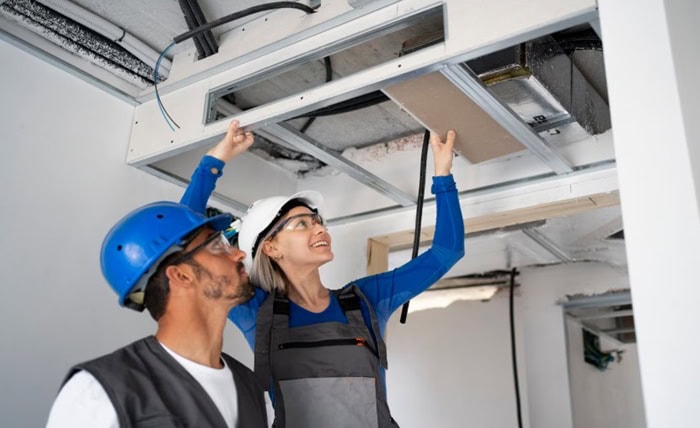
Installation costs can vary just as much as equipment costs. If a home already has existing ductwork in good condition, installation is usually simpler and less expensive. On the other hand, homes that need new ducts, duct repairs, or significant modifications will see higher labor costs.
Older homes may also require electrical upgrades to support modern systems. These additional improvements add to the total investment but are often necessary for safety and performance.
Labor and Regional Pricing Differences
Labor rates differ based on location, contractor experience, and local demand. In areas with a high cost of living or peak seasonal demand, installation prices tend to be higher. Choosing a licensed, experienced contractor may cost more upfront, but it often reduces the risk of installation errors, system inefficiencies, or future repair issues.
It’s generally recommended to obtain multiple quotes and review what’s included in each estimate. A lower price may not always include important elements like warranties, permits, or post-installation inspections.
Long-Term Value and Maintenance
Beyond the initial investment, ongoing maintenance plays a crucial role in overall value. Regular servicing helps keep the system running efficiently, reduces the risk of breakdowns, and extends its lifespan. Well-maintained systems can last 15 to 20 years or more, making them a long-term investment rather than a short-term expense.
Many manufacturers also offer warranties that cover major components for several years, adding peace of mind and potential savings on future repairs.
Making an Informed Decision
Understanding what goes into the cost of a whole-home cooling system empowers homeowners to make smarter choices. Instead of focusing solely on the lowest price, it’s important to evaluate system efficiency, installation quality, and long-term operating costs.
By balancing upfront expenses with energy savings, comfort, and durability, homeowners can select a system that meets their needs and provides reliable cooling for years to come.