

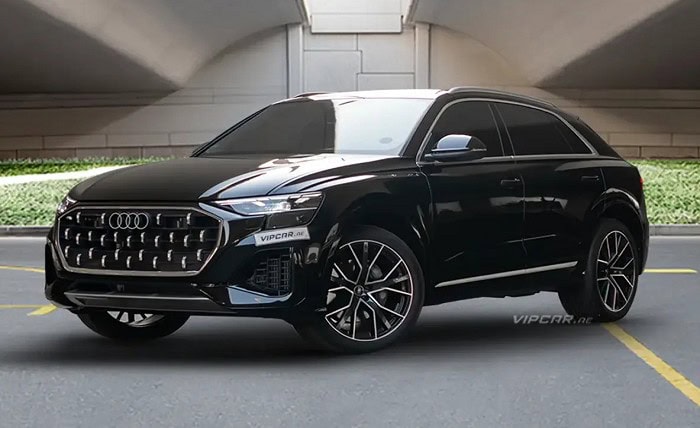
In Dubai, cars say a lot about who’s driving them. Walk along Sheikh Zayed Road and you’ll spot a mirror-chrome supercar catching the light, a sedan with hand-lettered Arabic on its flank, or a cabin so plush it looks like a private lounge. Even if you don’t own one, an Audi rental in Dubai can let you experience the thrill of these streets firsthand. What once started as a simple love for speed and shiny badges has drifted into something more playful and personal: cars as wearable art.
This didn’t happen overnight. A mix of money, architecture, and a taste for the dramatic created the perfect playground. Builders, boutique studios, creative shops, and big-name brands all found ways to push and borrow from each other. The result? Vehicles that don’t just move — they perform.
The Rise of Car Culture in Dubai
As the city grew, so did the idea of the car as a status showpiece. Wide, empty-feeling boulevards and reflective skyscrapers offered prime backdrops. People noticed. When your street looks like a scene from a movie, you think differently about how things appear.
Weekends brought gatherings: car owners lining up, comparing mods, swapping stories. Then cameras arrived. Short clips and photos turned small local circles into global conversations. Suddenly, a custom bumper or a rare interior detail could go from a Dubai parking lot to the feed of someone across the world. Customization stopped being only about money; it became a way to tell a story — a personal stamp, sometimes political, sometimes playful.
Wraps and Paint
Look closely and you’ll see how much the surface matters. Wraps let drivers try looks that would be risky — and expensive — if painted permanently. The city shows everything from mirror chrome and holographic fades to marble-mottle finishes and quiet, dusty mattes. Some choices shout; others whisper.
There’s a practical side, too. Wraps protect the original finish and peel off if the owner wants a change. That makes experimentation cheap and fast. Shops crank out themed runs for holidays, influencers hire studios for campaign-ready looks, and event organizers commission designs that fit a mood or a brand. On the street, this variety reads like a moving exhibition: bold one minute, subtle the next.
Design Collaborations
Beyond owner-driven bling, collaborations bring a different kind of polish. Fashion labels, independent artists, and car makers sometimes team up. The goal isn’t just to look flashier but to merge two crafts — textile, paint, hand-stitched leather — into a single statement.
The effect is literal: a designer’s emblem or an artist’s mural can push a car into gallery territory. These vehicles turn up at shows and editorials, and a handful make it into private collections. A signed interior or bespoke trim can change how people talk about a car. It stops being a ride and becomes a piece people want to learn about.
Interiors as Self-Expression
Open the door and you get a clearer picture of who the owner might be. Some cabins are minimal and tech-forward. Others feel like vintage ateliers with hand-stitched hides and unusual materials. Monograms, coordinated palettes, and carefully placed lighting turn seats into statements. Even if you don’t own one, a luxury car rental in Dubai lets you experience this level of craftsmanship firsthand.
Tech is part of the craft now. Custom audio systems, app-driven mood lighting, touch interfaces, and unusual textures make a cabin feel curated. For many, the inside of the car is a private theater. That’s why bespoke interiors are no longer a fringe hobby; they’re a growing industry.
The City as a Moving Gallery
One thing that makes Dubai unique is how public this art remains. You don’t have to buy a ticket or enter a gallery; you just time your walk or drive right. Hotspots like Downtown Dubai, Jumeirah, and the waterfront regularly showcase different styles. On any given weekend, you might see everything from stripped-back restorations to outlandish concept wraps.
Photographers and short-form creators love it. A single striking image — a car against the right skyline, shot at golden hour — can push a local look into global feeds. Those images build a visual story of the city: not just architecture or fashion, but movement and taste in motion.
The Future of Automotive Art
New tools are nudging the boundaries. Designers use generative programs to sketch complex patterns quickly. Projection mapping and LED skins can make a car shift colors or display moving graphics. Electric platforms, with smoother body panels and quieter cabins, open fresh possibilities for both surface and sound.
Sustainability is sneaking into the conversation, too. Studios test biodegradable wrap films and low-VOC finishes, aiming to keep the drama but reduce the footprint. Most of these ideas are experimental, but they suggest a future where beauty and responsibility travel together.
Where Passion Meets Design
In Dubai, cars are deliberate choices. They’re signals, shelters, and sometimes traveling portfolios. A wrap, a stitch, or a color pick says something: about taste, about pride, about a story the owner wants to tell.
Seen a car that felt like art? Snap a photo and share it. Tag it #DubaiCarArt — the most surprising rides might make the next showcase. If you want, I can follow up by adding two or three verified examples and short citations to ground a few of these trends in real projects.