

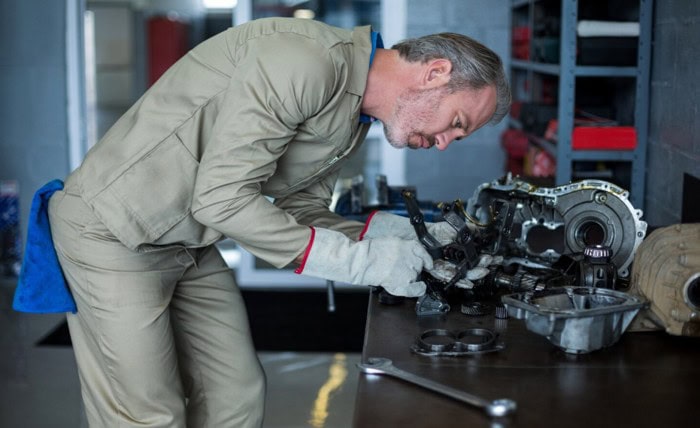
Replacing the valve cover gasket is key for your engine’s health. A leak can lead to big problems and expensive fixes. This guide will show you how to do it right, making your DIY repair a success.
A valve cover gasket keeps your engine sealed and stops leaks. It can wear out, hurting your car’s performance. Our guide will help you replace it easily and well.
Key Takeaways
- Understand the importance of replacing the valve cover gasket.
- Learn the steps involved in the replacement process.
- Identify the tools needed for a successful DIY repair.
- Discover tips for ensuring a leak-free seal.
- Understand the benefits of regular engine maintenance.
What is a Valve Cover Gasket?
A valve cover gasket is a key part that keeps the valve cover sealed to the engine cylinder head. It stops oil leaks and helps the engine run right. Made from rubber or similar materials, it can handle the engine’s heat and oil.
This gasket is vital for the engine’s valve train system. It keeps oil in and dirt out, protecting the engine.
Purpose of the Valve Cover Gasket
The main job of the valve cover gasket is to seal the valve cover to the cylinder head tightly. This seal stops oil leaks, which can harm engine performance and damage parts. A good gasket keeps the engine running smoothly and efficiently.
Common Problems Associated with a Faulty Gasket
A bad valve cover gasket can cause oil leaks, engine overheating, and poor performance. When it fails, oil can leak out. This wastes oil and can cause bigger engine problems if not fixed. Signs of a bad gasket include oil leaks, a burning smell, and engine performance drops.
Signs You Need a Replacement
It’s important to know when your valve cover gasket needs to be replaced. A bad gasket can cause many problems. These issues can hurt your car’s performance and even damage the engine if not fixed.
Oil Leaks
Oil leaks are a clear sign that your valve cover gasket is failing. If you see oil dripping from the valve cover, it’s time to act. Oil leaks can cause serious engine damage if not fixed quickly. They can make the engine lose the oil it needs to run right.
Engine Overheating
Engine overheating might also mean your valve cover gasket is not working right. Even though the gasket doesn’t cool the engine, a leak can cause oil loss. This can make the engine overheat. Keep an eye on your engine’s temperature gauge to avoid expensive repairs.
Decreased Performance
A bad valve cover gasket can also make your engine run poorly. If your car’s engine isn’t as smooth as it should be, or if it’s not as powerful, it might be due to a faulty gasket. Replacing the gasket can fix these problems and prevent more damage.
In short, knowing when to replace your valve cover gasket can save you from bigger and more costly repairs later. Regular checks and maintenance can catch these problems early.
Tools and Materials Needed
Before starting the valve cover gasket replacement, gather all the tools and materials you need. Having everything ready will make the job easier and less stressful.
Essential Tools for the Job
To replace a valve cover gasket well, you’ll need some basic and special tools. You’ll need a socket set, a torque wrench, and a gasket scraper. A socket set helps remove the bolts holding the valve cover. A torque wrench ensures the bolts are tightened right during reassembly.
Also, a gasket scraper is key for removing the old gasket. It’s smart to have a cleaning solvent ready to clean the area well.
Recommended Gasket Materials
Choosing the right gasket material is important. You can pick from rubber, silicone, or cork. Rubber gaskets are tough and oil-resistant, making them a top pick. Silicone gaskets handle heat well, and cork gaskets seal well because they compress.
Make sure the gasket material fits your vehicle’s engine. You might also need a valve cover gasket sealant to improve the seal, especially if your kit includes it.
Preparation Before Replacement
Before starting the replacement, make sure your workspace and you are ready. A well-prepared area keeps you safe and helps you work efficiently. This is key for a successful DIY valve cover gasket replacement.
Safety Precautions
When working on your vehicle, safety comes first. Here are some important safety steps:
- Wear protective gear, like gloves and safety glasses, to avoid hazards.
- Make sure your workspace has good air flow to avoid harmful fumes.
- Disconnect the battery to prevent engine starts or electrical shocks.
- Check your vehicle’s repair manual for safety tips specific to your car.
These precautions help keep you safe and ensure a safe work area.
Cleaning the Work Area
A clean work area is crucial for a successful valve cover gasket replacement. It prevents contamination and helps you work better.
Steps to Clean Your Work Area:
- Clear the area around your vehicle of any clutter or obstructions.
- Cover the surrounding surfaces with drop cloths or plastic sheets to protect them from spills or debris.
- Use a degreaser to clean the engine surface, removing any dirt, grime, or old gasket material.
By following these steps, you’ll be able to focus on the task at hand. This makes the process of how to change the valve cover gasket simpler.
Removing the Old Valve Cover Gasket
Replacing a valve cover gasket starts with removing the old one. This task needs precision and care. It’s key to ensure the new gasket fits right, avoiding leaks and keeping the engine running well.
Disconnecting Necessary Components
Before taking off the valve cover, you must disconnect some parts. First, remove the spark plug wires carefully to avoid damage. You might also need to take out the air intake duct or the PCV valve, depending on your car. Always check your repair manual for specific instructions.
Tip: Labeling the parts you disconnect helps when putting them back. It makes sure everything goes back in the right spot.
Removing the Valve Cover
After disconnecting the parts, you can remove the valve cover. This involves unscrewing the bolts that hold it. Use a socket wrench or a ratchet and socket that fits the bolts. You might face some resistance when loosening the last bolt, as the gasket can stick.
Gently pry the valve cover off with a suitable tool, being careful not to damage it or the cylinder head. After removing it, check the valve cover and cylinder head for debris or old gasket material. This ensures a smooth installation of the new gasket.
Cleaning the Valve Cover Surface
Cleaning the valve cover surface is key to making the new gasket last longer. A clean surface ensures a tight seal. This is important for preventing leaks and keeping the engine running well.
Importance of Proper Cleaning
Cleaning the valve cover properly is vital. It removes dirt, grime, and old gasket material. This step is often missed but is crucial for a successful valve cover gasket cleaning process.
The surface must be free of debris for a uniform seal. Any leftover from the old gasket or dirt can cause the new one to fail. This can lead to leaks and harm the engine.
Recommended Cleaning Products
Several products can be used for cleaning. Solvents like acetone or brake cleaner are great for removing grease and grime. But, make sure the cleaning product doesn’t leave residues that could harm the gasket’s performance.
Here are some recommended cleaning products and their uses:
| Product | Use | Precautions |
| Acetone | Effective for removing grease and grime | Avoid contact with skin and paint |
| Brake Cleaner | Removes tough grime and oil residue | Use in well-ventilated areas; avoid skin contact |
| Gasket Remover | Specifically designed for removing old gasket material | Follow manufacturer’s instructions |
After cleaning, using a valve cover gasket sealant can improve the seal’s performance. But, it’s not always needed. Always follow the manufacturer’s advice on using sealants.
Installing the New Valve Cover Gasket
After removing the old gasket, it’s time to put in a new one. This keeps your engine leak-free and running smoothly. You need to be precise to get a good seal.
Proper Placement Techniques
To start, align the new gasket with the valve cover’s bolt holes. It should fit right and not be twisted. Place the gasket on the valve cover carefully, making sure it sticks evenly.
Ensuring a Secure Fit
After placing the gasket, reattach the valve cover. Tighten the bolts in a star pattern to avoid uneven pressure. It’s important to torque the bolts to the manufacturer’s specifications. This ensures a tight fit and prevents damage.
By following these steps, you can successfully install or replace the valve cover gasket. This keeps your engine in top shape and prevents future problems. Getting it right is crucial for avoiding leaks and other issues.
Reassembling the Engine Components
Now that you’ve installed the new valve cover gasket, it’s time to put everything back together. Reassembling the engine needs care and attention. This ensures everything is properly secured and works as expected.
Steps to Reinstall the Valve Cover
Reinstalling the valve cover is a key step. Start by placing the valve cover back on the engine, making sure it’s aligned with the bolt holes. Use a gentle twisting motion to secure it before tightening the bolts.
- Tighten the bolts in a star pattern to ensure even pressure.
- Refer to your vehicle’s repair manual for the correct torque specification.
- Double-check that the valve cover is not twisted or misaligned.
Double-Checking Connections
After putting the valve cover back, check all connections. This includes electrical connectors, vacuum lines, and other components that were removed.
Verify that all connections are secure and not leaking. This is important to avoid oil leaks or engine performance issues.
By following these steps, your engine will be reassembled and ready to go. Always check your vehicle’s repair manual for specific instructions.
Testing for Leaks
To check if your valve cover gasket replacement worked, you need to do a leak test. This test makes sure the new gasket is sealed well and works right.
How to Conduct a Leak Test
To do a leak test, apply a bit of pressure to the valve cover area. Look for any leaks. Use a spray bottle with soapy water to spray the area. If bubbles appear, it means the gasket isn’t sealed right.
What to Look For
When you’re testing, watch for oil leaks or bubbles on the valve cover. If you see leaks, you might need to tighten the bolts or check the gasket for damage. Make sure the area is clean and free of dirt before testing.
Also, start the engine and let it run for a few minutes. Then, turn it off and check the valve cover again for leaks. This helps find any problems when the engine is running.
Common Mistakes to Avoid
To avoid leaks, it’s key to not make common errors when replacing a valve cover gasket. This task is simple if done right. But, mistakes can cause engine damage or leaks that won’t go away.
Over-Tightening Bolts
One big mistake is tightening bolts too much. Too much pressure can harm the valve cover or strip the threads, which is expensive to fix. Always follow the torque specs from the manufacturer. Tighten bolts in a star pattern to spread the pressure evenly.
“The key to a successful valve cover gasket replacement lies in the details,” says a seasoned mechanic. “Over-tightening is a common mistake that can have serious consequences.”
Ignoring Surface Preparation
Not preparing the surfaces properly is another big mistake. Proper cleaning and preparation are vital for a secure seal. Dirt, debris, or old gasket material can ruin the new gasket’s seal. Make sure to clean both the valve cover and engine block surfaces well before installing the new gasket.
- Scrape off any old gasket material.
- Clean the surface with a suitable solvent.
- Inspect the surface for any damage or debris.
By avoiding these common mistakes, you can ensure a successful valve cover gasket replacement and keep your engine running well.
Regular Maintenance Tips
To keep your engine running smoothly, it’s key to regularly maintain your valve cover gasket. Taking good care of it can make it last longer and avoid problems.
How to Prolong the Life of Your Gasket
Regular checks and care for your valve cover gasket can stop leaks and damage. Here are some tips to help it last longer:
- Regularly inspect the gasketfor signs of wear or damage.
- Keep the engine cleanto prevent dirt and debris from accumulating on the gasket.
- Check the valve cover boltsfor proper tightening.
Signs to Monitor After Installation
After putting in a new valve cover gasket, watch for any leaks or issues. Here are some important things to look for:
| Signs | Description |
| Oil Leaks | Check for oil leaks around the valve cover gasket area. |
| Unusual Noises | Listen for any unusual noises coming from the engine. |
| Performance Issues | Monitor your engine’s performance for any signs of decreased power or efficiency. |
When to Seek Professional Help
Replacing a valve cover gasket can be done by yourself, but some cases need a pro. If you’re not sure you can do it or run into problems, it’s time to get help.
Complex Issues That Require Expertise
Signs of complex problems include oil leaks that won’t stop, engine damage, or doubts about the DIY job. If you see these, a skilled mechanic is your best bet. They can fix it right and avoid more damage.
Looking for a mechanic? Find certified ones with valve cover gasket experience. Check reviews, ask friends, and ask about prices. A good mechanic will give you a clear price and promise their work. This means your engine will run smoothly again.
FAQ
What are the symptoms of a faulty valve cover gasket?
Signs of a bad valve cover gasket include oil leaks and engine overheating. You might also notice your car’s performance drop. If you see oil dripping or smell something burning, your gasket might be failing.
How do I know if I need to replace my valve cover gasket?
If your car leaks oil, overheats, or runs poorly, it’s time for a new gasket. Check the gasket for wear, cracks, or damage.
Can I replace the valve cover gasket myself?
Yes, you can do it yourself if you have the right tools and follow the steps. But, if DIY repairs make you nervous, it’s best to get professional help.
What tools do I need to replace a valve cover gasket?
You’ll need a socket wrench, torque wrench, and gasket scraper. Also, get a new gasket and any extra materials the maker suggests.
How much does it cost to replace a valve cover gasket?
The price to replace a valve cover gasket varies. It depends on your car’s make and model, and the gasket’s cost. On average, it’s between $50 to $200, including labor.
What is the average lifespan of a valve cover gasket?
A valve cover gasket usually lasts 50,000 to 100,000 miles. Its lifespan depends on its quality and how you drive. Regular care can help it last longer.
Can a faulty valve cover gasket cause engine damage?
Yes, a bad valve cover gasket can harm your engine. Oil leaks can cause overheating, and poor performance can lead to less fuel efficiency and more emissions.
How do I prevent valve cover gasket leaks?
To avoid leaks, make sure the gasket fits right and is tight. Check it often for wear or damage. Regular engine care, like oil changes, also helps.