

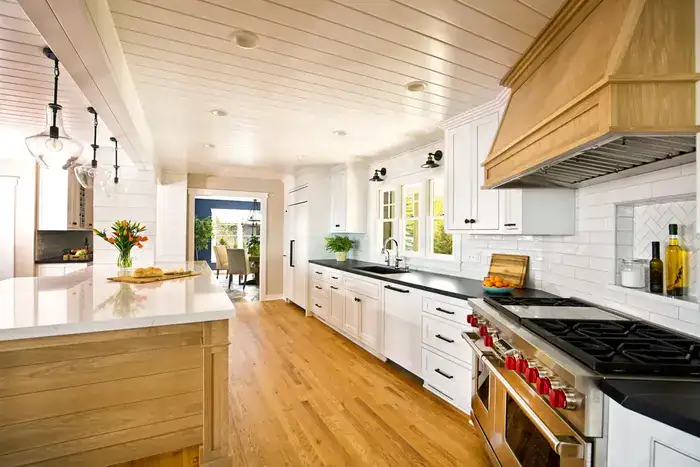
Shiplap is a budget-friendly way to bring a warm, rustic vibe into your home in 2025. But keep in mind—it’s not just about picking up the boards. The overall cost also includes things like materials, labor, prep work, and even a bit of upkeep down the road. If you want your accent wall or cozy shiplap room to keep looking fresh and stylish, it’s worth planning for those extra details.
What Is Shiplap?
Shiplap is a type of wooden board used for interiors and siding, instantly recognizable by the little grooves cut into each edge. These grooves—called rabbets—let the boards overlap neatly, creating those clean, straight lines everyone associates with modern farmhouse style.
Fun fact: shiplap actually started out in shipbuilding, which is where it gets its name. The overlapping design helped keep water out of old wooden ships. Today, it’s far more likely to show up in living rooms, kitchens, and cozy accent walls than on a boat. What makes it so popular is its simple, timeless look—crisp seams, subtle shadows, and a touch of rustic warmth that works in almost any space.
Types of Shiplap Materials
-
Pine: The most common choice — affordable, easy to work with, and great for DIY.
-
Cedar: Higher-end, naturally resistant to moisture and decay.
-
Hardwood (e.g. oak, poplar): Stylish and durable, but more expensive.
-
MDF / Engineered Wood: Cheaper, pre-primed, but less durable than real wood.
-
PVC / Composite: Ideal for moisture-prone areas like bathrooms or exterior use.
-
Reclaimed Wood: Adds character but often comes at a premium.
Breaking Down Shiplap Costs
Material Costs (per square foot)
The type of material you choose has a huge impact on the cost. Here’s a breakdown:
| Material | Typical Material Cost (per square feet) |
|---|---|
| Pine | ~$2 – $4 |
| Cedar | ~$3 – $7 |
| Hardwood | ~$1.50 – $6 (depending on species) |
| Plywood / Engineered | ~$2 – $3 |
| MDF | ~$2 – $6 |
| PVC | ~$3 – $7 |
Labor / Installation Costs
Labor costs for installing shiplap usually fall between $1 and $4 per square foot. The exact price depends on where you live, how tricky the job is, and how much finishing work is involved. Some contractors or handymen might charge by the hour, anywhere from $35 to $100, depending on the complexity of the installation.
Total Installed Cost
Putting together materials + labor, the average installed cost for shiplap falls in the range of $3 to $11 per square foot.
Here’s how that translates into real-world projects:
-
Accent Wall (80–150 sq ft): $240 – $1,700
-
Small Room (400–650 sq ft): $1,200 – $7,200
-
Entire Room (800–1,100 sq ft): $2,400 – $12,100
-
Exterior Siding (1,000 sq ft): $3,000 – $8,000 for siding
Other Cost Factors to Consider
-
Surface Preparation: Removal of existing drywall or siding, repairing the wall — can add $2–$6/sq ft.
-
Design Complexity: Special patterns like diagonal or herringbone may increase labor and waste.
-
Height or Access: Ceiling installs or high walls may require scaffolding or more labor.
-
Finish: Painting or staining adds cost. Pre-finished or pre-painted boards cost more but save finish labor.
Cost by Project Type
Let’s break down what shiplap costs might be for different project types:
-
Accent Wall (Interior)

-
Often one of the most budget-friendly uses of shiplap.
-
Cost: $240–$1,700 for an 80–150 sq ft wall.
-
-
Ceiling Shiplap
-
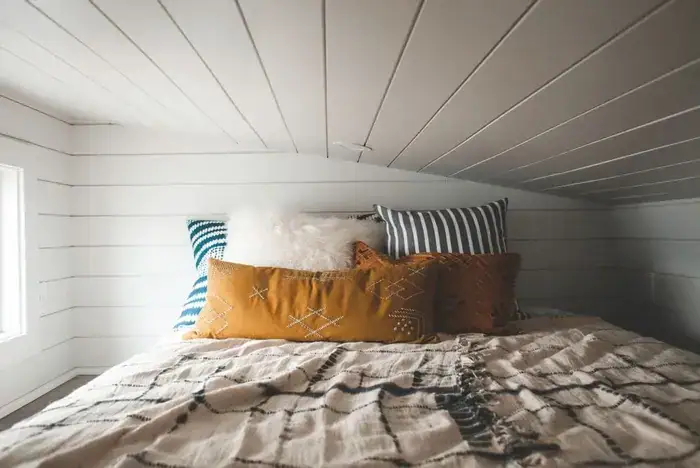
Ceiling jobs are harder: they require working at height, more prep, and possibly more waste.
-
According to cost guides, ceiling installs can go up to $5–$12 per sq ft for more complex setups.
-
-
Full Room (Interior)
-
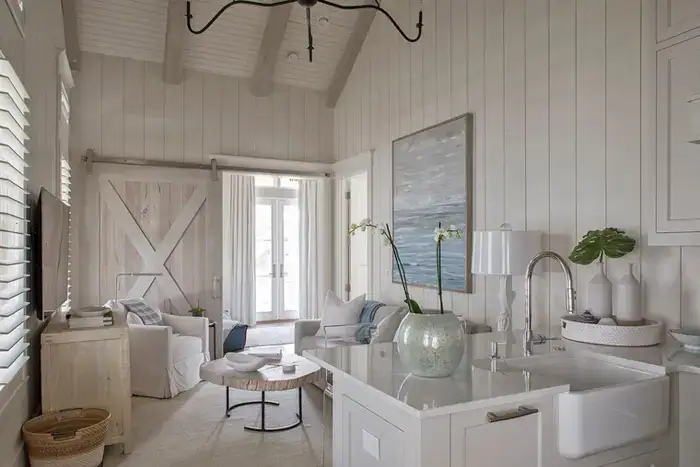
For rooms (e.g., living room, bedroom), expect $1,200–$7,200 depending on square footage and materials.
-
Larger rooms (800–1,100 sq ft) could cost $2,400–$12,100 depending on choices.
-
-
Exterior Siding / House Siding
-
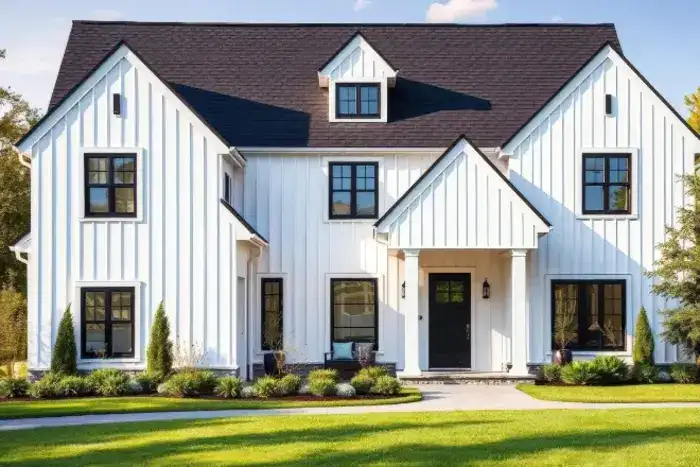
Installing shiplap siding: $3–$8 per sq ft installed.
-
For a typical sized house, total cost: $3,000–$8,000 for 1,000 sq ft.
-
Cost by Installation Style & Complexity
The way shiplap is installed (orientation, pattern) significantly affects cost:
-
Horizontal (Classic): Standard labor rate, minimal waste.
-
Vertical: +10–15% labor, more waste, but gives height illusion.
-
Diagonal / Chevron / Herringbone: +25–75% labor premium, more waste, more complex.
-
Custom Patterns / Mixed Width: Also more expensive due to precision and waste.
-
Reclaimed / Custom Wood: Using reclaimed wood or custom species can push material costs to $6–$15/sq ft or even more depending on availability.
-
Finishes:
-
Painted: likely $4–$9/sq ft installed.
-
Stained: $5–$11/sq ft depending on wood and stain quality.
-
DIY vs Hiring a Pro
DIY Installation
Pros:
-
Significant cost savings (you avoid labor costs). According to Angi, you could save up to half by doing it yourself.
-
Control over material selection, finish, and timeline.
-
Satisfaction of building something yourself.
Cons:
-
Requires tools: saw, level, stud finder, nail gun, etc.
-
Mistakes can cost time and money, especially on high walls or ceilings.
-
Finish (nailing, filling, sanding) may require skills and patience.
Hiring a Professional
Pros:
-
Faster, cleaner, and more precise install.
-
Pros bring experience — better looking results.
-
Warranty / guarantee on work (depending on contractor).
Cons:
-
Higher cost due to labor.
-
Need to vet contractors, get multiple quotes.
-
Less control on minor design decisions unless clearly communicated.
Maintenance & Ongoing Costs
Once shiplap is installed, there are some maintenance costs to keep in mind:
-
Painting / Staining:
-
Interior: Expect to repaint or refresh every few years. According to Angi, interior painting costs may run $2–$6 per sq ft at repaint time.
-
Exterior: $1.50–$4 per sq ft for repainting or restaining, depending on exposure.
-
-
Repairs: Nail holes, warping, or damage over time will need touch-ups.
-
Longevity: With proper maintenance, solid wood shiplap can last decades; MDF or cheaper materials may need replacement or refinishing more often.
Shiplap vs Drywall: Cost Comparison
| Factor | Shiplap | Drywall |
|---|---|---|
| Cost per sq ft (material + install) | $3–$11 | $1.50–$3.50 for walls, $2–$4 for ceilings |
| Aesthetic | Rustic, farmhouse, textured, shadow lines | Smooth, flat, clean — versatile for paint/wallpaper |
| Durability | Very durable, especially with hardwood or cedar | Reasonably durable, but can dent, crack |
| Maintenance | Needs painting or staining; can be more work | Easier to patch and repaint; more common skills in labor market |
| DIY-friendliness | Moderate: needs careful measuring, leveling | Very DIY friendly; widely used + supported materials |
Verdict: Shiplap costs more upfront compared to drywall, but it brings a unique style, texture, and lasting durability to your space. If you’re looking to create an accent wall or a standout design feature, the extra cost can be well worth it. However, if your walls are mainly for function rather than style, drywall is usually the more budget-friendly choice.
If you’re planning a shiplap project, here’s a step-by-step guide to budgeting and getting quotes:
-
Measure Your Space
-
Calculate square footage (wall height × length for each wall).
-
Account for waste (~5–10%) depending on pattern / cuts.
-
-
Decide on Material
-
Pick your type (pine, MDF, PVC, etc.).
-
Choose finish (raw, pre-painted, stained).
-
-
Prepare Your Site
-
Will you remove existing drywall or siding?
-
Do you need underlayment, or repairs to the wall/substrate?
-
-
Reach Out to Contractors
-
Ask for at least 3 quotes.
-
Provide: sq ft, material, finish, pattern style, whether you handle prep, whether finish is included.
-
-
Review Quotes Carefully
-
Break down material vs labor costs.
-
Ask about extra charges for waste, trim, corners.
-
Clarify timeline, cleanup, and who pays for it.
-
-
Negotiate / Optimize
-
If budget is tight, opt for MDF or simpler pattern.
-
Offer to do some work yourself (prep, minor finishing).
-
Buy the material yourself if you find a good deal, and hire only labor.
-
Cost-Saving Tips
Here are some practical ways to reduce your shiplap costs:
-
Use MDF or engineered wood instead of solid wood.
-
Limit shiplap to an accent wall rather than full room.
-
Choose horizontal planks (less waste, faster install).
-
Source reclaimed shiplap — can be cheaper than new premium wood.
-
Consider DIY for simpler jobs.
-
Buy materials in bulk to get discounts.
-
Opt for pre-painted or pre-primed boards to avoid additional finishing costs.
Real-World Examples & Anecdotes
It’s helpful to look at what real people are paying or quoting for shiplap:
-
One carpenter on Reddit quoted $4/sq ft labor for a 6″-wide wooden shiplap ceiling.
-
Another DIYer discussed using plywood to mimic shiplap to save money, noting solid wood would cost $2,500–$3,000 for their 1,100 sq ft attic.
-
A trim carpenter shared that he charges $2 per board foot for shiplap labor in custom work, though rates may go up for scaffolding or high ceilings.
These examples highlight how actual costs can vary widely depending on labor, material, project scale, and local market.
You Might Also Like:
- How Do Attorneys Protect Your Rights in Truck Accident Cases?
- Why Patrick Ta’s Contour Stands Out
- Best Dinner Cruise NYC: Top Waterfront Dining Experiences
Shiplap Working Videos
How to Install Shiplap on a Wall – DIY
In this video, you’re going to learn how to install shiplap like an absolute boss—even if you’ve never picked up a nail gun before. We’ll walk you through everything step by step, starting with choosing the right boards and prepping your walls so the final result looks clean, level, and professional. You’ll see exactly how to measure, cut, and line up each plank using those signature overlapping edges that give shiplap its smooth, shadow-lined finish.
Shiplap DIY Wainscoting Accent Wall
In this video, you’ll learn how to create a simple DIY wainscoting accent wall that can instantly lift the look of any room—no fancy carpentry skills required. We’ll walk with you through the whole process, starting with the basics: planning your design, taking the right measurements, and sketching out a layout that feels balanced and clean.
Frequently Asked Questions (FAQ)
Q: Is shiplap more expensive than drywall?
A: Generally speaking, shiplap installation usually runs between $3 and $11 per square foot, while drywall tends to be more budget-friendly, costing around $1.50 to $3.50 per square foot for walls.
Q: Can I paint or stain shiplap myself?
A: Definitely! A lot of DIYers like to paint or stain their shiplap once it’s up. Pre-finished shiplap can cut down on the finishing work, but it usually costs a bit more right from the start.
Q: How long does shiplap last?
A: With good-quality wood and regular care like painting and sealing, shiplap can stay beautiful and last for decades.
Q: Do I need to remove old siding or drywall first?
A: It really depends on the project. For interior walls, you can often install shiplap right over the drywall, though you might need to do some prep work first. On the outside, though, you usually have to remove the old siding before putting up new shiplap.
Conclusion
Knowing the costs of shiplap is key before you dive into your renovation. From the price of materials to labor and upkeep, the total can really vary depending on what you choose. Whether you’re thinking about a small accent wall or remodeling an entire room, here’s a quick rundown to help you get started.
-
Expect $3–$11 per sq ft installed in 2025, depending on material and labor.
-
Material type (pine, cedar, MDF, PVC) is a major cost driver.
-
Project size, design complexity, finish, and surface prep also influence the final bill.
-
DIY can save money but requires tools and accuracy; professionals bring speed and polish.
Ready to jump in? Start by measuring your space, picking out the material and finish you want, and then contact a few local contractors to get at least three detailed quotes. Feel free to share your project details or budget below—I’d be happy to help you fine-tune your estimate. And if you’d like, I can also point you toward great shiplap suppliers and design inspiration!