

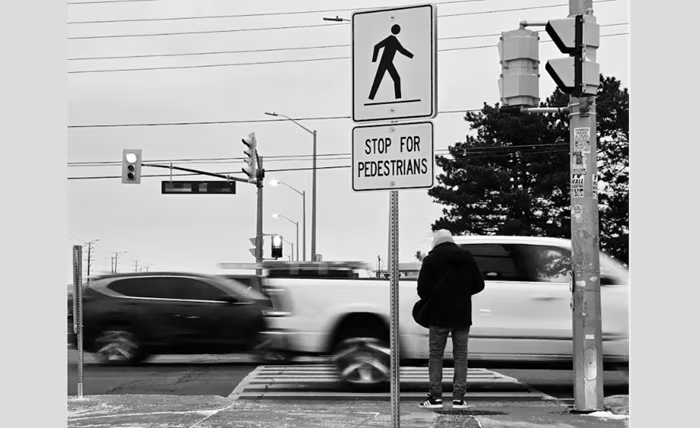
Being hit by a car while walking is something most people never expect to experience. One moment you’re crossing the street or walking along a sidewalk, and the next, everything changes. It’s a frightening and confusing situation that can leave you unsure of what to do next.
In busy cities like Denver, where traffic, pedestrians, and cyclists often share the same space, these types of accidents can happen quickly. Even when you’re being careful, a driver’s mistake can lead to serious consequences. Beyond the physical injuries, there’s also emotional stress and uncertainty about how to handle the situation.
Knowing what steps to take right after an accident can make a big difference. It can help protect your health, ensure proper documentation, and guide you toward the right support. Staying calm and focused, even in a stressful moment, allows you to take control of the situation and move forward more confidently.
Understand Your Legal and Financial Options
After a pedestrian accident, you may have certain rights depending on the situation and your local laws. For example, in a place like Denver, where local traffic laws, fault rules, and insurance requirements can directly affect how your case is handled. Knowing how these laws apply can help you make informed decisions about your next steps.
This might include addressing medical expenses, lost income, or other challenges that result from the accident. Getting clear information early on can help you avoid confusion and ensure that you’re taking the right approach. Since every case is different, having a clear understanding of your legal standing can make a significant difference in how smoothly things move forward.
For instance, if you live in Colorado, The O’Sullivan Law Firm has been helping Denver’s accident victims for over 25 years. This Denver law firm helps pedestrians injured by cars by explaining how local regulations apply, outlining possible options, and guiding individuals through the process so they can focus on recovery while staying informed about their rights.
Seeking guidance from experienced professionals can provide clarity. They can explain what to expect and help you understand how to handle the situation in a way that supports your recovery.
Prioritize Safety and Seek Immediate Medical Attention
The first and most important step after being hit by a car is to focus on your safety. If you can move, try to get out of the road to avoid further danger. However, if you feel seriously injured, it’s best to stay where you are and wait for emergency help.
Calling emergency services should always be a priority. Even if your injuries seem minor, it’s important to get checked by medical professionals. After an accident, adrenaline can mask pain, making it difficult to recognize the full extent of your injuries right away.
Getting medical attention also creates an official record of your condition. This can be important later if you need to explain how the accident affected you. Doctors can identify injuries that may not be immediately visible, such as internal issues or soft tissue damage.
After your immediate health needs are addressed, many people start thinking about what comes next.
Call the Police and Report the Accident
Once you are safe and medical help is on the way, it’s important to report the accident to the police. An official report creates a record of what happened and can be useful later.
When speaking to the police, provide clear and accurate information. Share details such as the location, time, and what you remember about the incident. If possible, include information about the vehicle and driver involved.
The police report helps establish the facts of the case. It can also assist in determining responsibility, which may be important if further action is needed. Even if the situation seems straightforward, having official documentation adds an extra layer of protection.
Gather Information at the Scene
If you’re able to do so safely, try to gather as much information as possible at the scene. This can make a big difference later.
Start by collecting the driver’s details, including their name, contact information, and insurance information. If there are witnesses, ask for their contact details as well. Their perspective can help clarify what happened.
Taking photos is also helpful. Capture images of your injuries, the vehicle, the surrounding area, and any traffic signs or signals. These details can provide valuable context and support your account of the incident.
It’s best to document everything while the details are still fresh. This ensures that nothing important is forgotten.
Being hit by a car while walking is a serious and unexpected event, but knowing what to do can make a difficult situation more manageable. By focusing on safety, seeking medical care, and gathering important information, you can take the right steps toward recovery.
While the experience can be overwhelming, having a clear plan makes it easier to move forward. With the right approach and support, you can focus on healing and getting back to your daily life.