

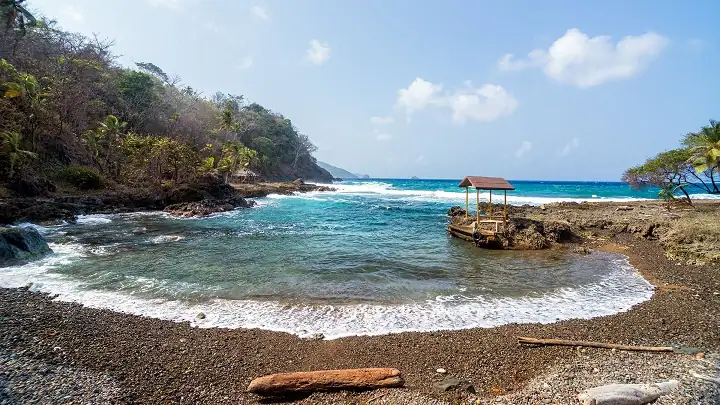
If you are searching for somewhere that is very wild, raw, and off the grid, Chocó, Colombia is on your map.
Concealed behind Colombia’s Pacific coast, Chocó is a department that has rainforests cascading down over foam waves, humpback whales gliding offshore yards, and Afro-Colombian culture pounding in every town.
Why will Chocó be of interest and where?
It is situated along Colombia’s Pacific coast. Which is flanked by the Colombia-Panama border to the north and the Pacific Ocean.
This is one of the world’s rainiest destinations. It has rainforest, mangrove swamp, waterfalls and stunning virgin beaches. Which are unscathed by the full force of mass tourism.
What Chocó is about is more its people — though their scenery is dramatic in itself — rather than the staggeringly rich diversity and the spirit of Afro-Colombians and indigenous who populate it.
Nature, music, culture, and sea are the very fabric of existence here.
Chocó is a world apart from Colombia’s cities, and one of its attractions is the fact.
Top Things to Do in Chocó
Nuquí
Nuquí is Chocó’s ecotourism capital.
Surrounded by rainforest and ocean, it’s got everything: surfing and whaling, and soaking in countryside hot springs.
They visit for the relaxed vibe, unspoiled beaches and a chance to spot humpback whales (July to October).
Nuquí is a secret paradise where you can trek to waterfalls one day and hammock above the sea the next.
Bahía Solano
A little north of that is Bahía Solano, another secret gem.
A bit bigger than Nuquí but otherwise equally as beautifully isolated. Whale-watching tours, sportfishing, and proximity to Ensenada de Utría National Park are Bahía Solano’s claim to fame — a picture-perfectly gorgeous national park with rainforest, rivers, and coastline.
It’s a good starting point if you want some activity and some chill.
El Valle
Near breathtaking beaches such as Playa Almejal, El Valle is a tranquil fishing town within driving distance from Bahía Solano.
Perfect for surfing, birdwatching, and escaping it all.
Peaceful is the pace of life here, and that’s the plan.
What to Do in Chocó
Whale Watching: July to October Humpback whales migrate to the coast of Chocó to give birth. Once-in-a-lifetime experience.
Surfing: Almejal and Terquito beaches feature perfect waves for beginners and those who are not experts.
Eco-Hikes: Walk through dense rainforest trails, secluded waterfalls, and river crossing.
Hot Springs: Soak in natural thermal hot springs following a whole day of physical exercise exploration.
Cultural Tours: Encourage Afro-Colombian music, dance, and cuisine through tourism community-based activities.
Snorkeling and Diving: Discover the colors of the coral reef and sea life of the Pacific coast.
Adventure, nature, and culture that cannot be duplicated by very few places are available in Chocó.
Also Read: Colombia Rainy Season: All You Should Know Before Visiting
Best Time to Visit Chocó
Chocó is famously rainy, but there are periods when it is better to visit depending on your requirements.
July to October: Best for whale watching. Rain, but with intervals of sunshine and incredible wildlife.
December to February: Dry season, best for beach activities and jungle treks.
March to June: Wet season — green and soggy, with daily showers to be counted on.
Tip: Not a bad idea to pack rain gear even during the “dry” season — remember, it is one of the wettest places on the planet!
Arriving in Chocó
Since Chocó is so remote, the most convenient means of arriving is by plane.
Short flights from Medellín and Bogotá take you to Bahía Solano or Nuquí in well over an hour and a half.
Then a brief boat or small-truck ride to your lodge, depending on your destination.
Getting here isn’t always easy or rapid — but the plain uncomplicated splendor at the journey’s end is well worthwhile.
Chocó, Colombia’s Wild Treasure
If you’re willing to get off the gridders’ track, Colombia’s Chocó awaits. That’s where the rainforest descends to the sea, whales bisect the horizon, and Afro-Colombian beats pulse with flame and passion through the air.
Chocó is not elegant — it’s rugged, gritty, and just indelible. If you can trade the city pavement for jungle paths and five-star accommodations for beach shacks, Chocó awaits.