

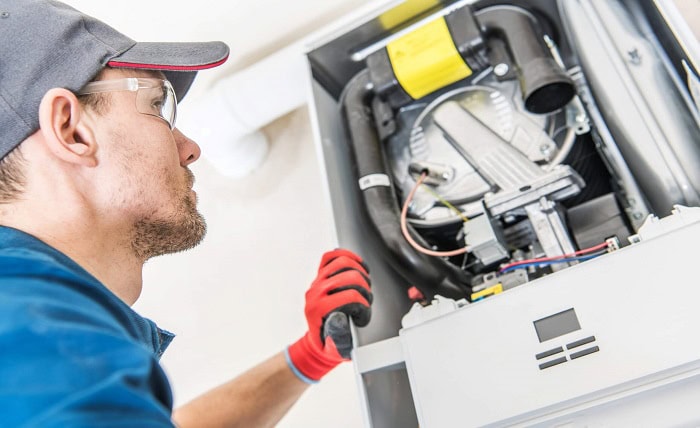
When your furnace acts up in the middle of winter, it’s tempting to grab a toolbox and try to fix it yourself. After all, how hard could it be? The reality is, some tasks like filter changes or adjusting your thermostat are safe for homeowners. But when it comes to gas furnace systems, certain repairs are downright dangerous. Mishandling gas lines, electrical components, or ventilation issues can put your home and family at serious risk. That’s why knowing the difference between a DIY-friendly fix and one that requires professional help is essential.
For anyone facing furnace replacement/repair decisions, safety should be the first concern not just cost. While it may feel like you’re saving money by tinkering with repairs, the wrong move could end up costing far more in damages, medical bills, or emergency services. Let’s break down which furnace repairs you should never attempt on your own and why.
Gas Line Issues: A No-Go for DIY
If you ever suspect a gas leak or notice issues with your furnace’s gas line, stop everything and call a professional immediately. Gas leaks are not only highly flammable but also pose a deadly risk of carbon monoxide poisoning. Even the smallest leak can go unnoticed until it’s too late. Only certified technicians have the proper tools and training to safely shut down, repair, and test gas line connections.
Electrical Repairs Are Risky Business
Modern furnaces rely heavily on electrical components, from circuit boards to safety sensors. Attempting to rewire, bypass, or replace these parts without training can result in fires or electrical shocks. On top of that, messing with your furnace’s wiring could void the manufacturer’s warranty, leaving you unprotected if something goes wrong. In cases where your system shows signs of malfunction, scheduling professional AC repair Fort Worth services is a safer and more reliable solution.Instead of guessing with wires and fuses, let an HVAC professional pinpoint the issue safely.
Heat Exchanger Cracks: A Silent Threat
One of the most dangerous furnace problems is a cracked heat exchanger. Why? Because it can allow carbon monoxide to leak into your home’s air supply. Unfortunately, this issue is not something you can fix with sealants or quick patches – it requires a complete part replacement or, in many cases, an entirely new furnace. If you notice strange odors, soot buildup, or your carbon monoxide detector goes off, shut down the system and call a technician right away.
Ventilation and Flue Repairs
Your furnace’s ventilation system ensures harmful gases like carbon monoxide are carried safely outside your home. If the flue or venting system becomes blocked, damaged, or improperly installed, toxic gases could seep indoors. Clearing minor debris like leaves or nests from exterior vents is fine, but any repair involving vent pipes or flue connections should never be a DIY project. Professionals will check for leaks, pressure issues, and proper ventilation pathways to keep your system safe.
When DIY Can Make Sense
Not every furnace issue requires a professional. Homeowners can and should – replace filters regularly, keep vents unobstructed, and monitor thermostat settings. These small steps help maintain efficiency and prevent unnecessary breakdowns. But when repairs involve gas, wiring, or internal furnace parts, leave it to the experts. It’s a matter of protecting both your home and your family’s health.
Final Thoughts
Gas furnaces are reliable, but they’re also complex and potentially dangerous if handled incorrectly. This is why choosing a professional for critical issues isn’t just about convenience – it’s about safety. If you’re ever unsure whether a repair is DIY-safe, the best move is to call a licensed HVAC technician.
When repairs involve gas, complex wiring, or internal furnace components, leave it to the experts. Attempting these fixes yourself can be extremely dangerous. The National Fire Protection Association reports that heating equipment is one of the leading causes of home fires. Without the right training and tools, a seemingly minor mistake can lead to a gas leak, fire, or even carbon monoxide poisoning. Ultimately, it’s a matter of protecting both your home and your family’s health.