

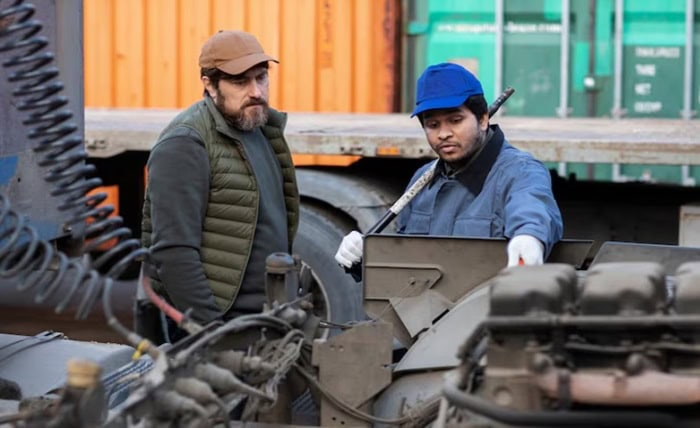
Finland has a strong industrial, construction, and technology base – and all these sectors generate metal waste. For companies and private individuals alike, that “waste” is actually a valuable resource. When sorted and sold correctly, scrap metal can become a stable extra income stream and a meaningful part of a more sustainable way of working.
Whether you’re running a construction site, operating a workshop, or simply clearing out a property, understanding how metal prices are formed and how to choose the right buyer in Finland can make a big difference to what you earn. That’s where specialised buyers like Metalaxis step in, focusing on non-ferrous metal recycling and making the selling process clear, predictable, and profitable.
Keeping an eye on metal price today (Finnish: metallin hinta tänään) helps you decide when and how to sell your material – instead of treating scrap as a random by-product that just “has to go” at any price.
Why Non-Ferrous Metals Deserve Special Attention
Not all scrap is equal. Non-ferrous metals – the ones that do not contain iron – usually bring in significantly higher prices per kilogram than mixed or general scrap. Typical non-ferrous metals include:
- Copper and copper cables
- Aluminium profiles, sheets, and components
- Brass fittings and parts
- Stainless steel items
- Other specialty alloys
These metals are widely used in:
- Electrical installations and cabling
- Plumbing and heating systems
- Construction and renovation projects
- Industrial machinery and production lines
- Automotive and transport sectors
Because non-ferrous metals can be recycled multiple times without losing their essential properties, they are in constant demand in global and local markets. For sellers in Finland, this means that carefully separating and selling non-ferrous scrap to a specialised buyer like Metalaxis is often the most profitable and environmentally responsible approach.
What Drives Metal Prices in Finland?
Metal prices fluctuate over time, and understanding why helps you make better decisions about when and how to sell. A few core factors play a role:
- Global Commodity Markets
Metals are traded internationally. When worldwide demand increases – for example, due to large infrastructure projects, industrial growth, or technology manufacturing – prices tend to rise. When demand slows, prices can fall. Finnish buyers adjust their offers based on these global trends.
- Local Supply and Competition
Regional dynamics also matter. In areas where multiple buyers compete for quality scrap, rates can be more attractive for sellers. For companies and individuals, this makes it important to compare offers and understand each buyer’s conditions.
- Material Quality and Sorting
The cleaner and more accurately sorted your scrap is, the more valuable it becomes. Removing unnecessary contamination – like plastic, rubber, wood, or heavy dirt – makes processing easier and cheaper, which buyers can reflect in the prices they pay.
- Logistics and Handling
How you present your material influences the overall cost for the buyer. Clearly sorted metals, stored safely and loaded efficiently, reduce handling time and risk. This can support better commercial terms and smoother cooperation.
By paying attention to these elements, you can move from “just getting rid of scrap” to actively managing metal sales as a strategic part of your operations.
How Metalaxis Supports Sellers in Finland
Metalaxis specialises in the recycling of non-ferrous metals in Finland, helping both businesses and private individuals turn metal waste into real value. Their focus on non-ferrous materials is especially important because this is where a large share of potential profit lies.
Key benefits for sellers include:
- Clear Focus on Non-Ferrous Metals
Because Metalaxis concentrates on metals that do not contain iron, its processes, pricing, and customer service are all built around the materials that normally generate the highest returns.
- Transparent and Market-Based Approach
Offers are linked to current metal market conditions and material quality, which helps sellers feel confident that they are getting fair value for their scrap.
- Professional Handling and Weighing
Reliable weighing and careful handling mean that every kilogram is counted and documented correctly. For regular business customers, this is essential for internal tracking and accounting.
- Customer-Oriented Service
Whether you are delivering small volumes from a renovation project or regular loads from industrial production, Metalaxis aims to build long-term cooperation rather than one-off deals. That often leads to smoother logistics and more predictable conditions over time.
Who Benefits Most From Selling Non-Ferrous Scrap?
In practice, a wide range of sellers in Finland can benefit from working with a specialised buyer like Metalaxis:
- Construction and Demolition Companies
Renovations, demolitions, and new builds generate significant amounts of metal waste – from copper pipes to aluminium profiles.
- Workshops and Manufacturing Businesses
Metalworking, fabrication, and machining often leave behind offcuts, trimmings, and rejected parts that still have strong scrap value.
- Electricians, Plumbers, and Installers
Old cables, fittings, and components from upgrades or replacements are all potential sources of extra income.
- Recycling Centres and Scrap Yards
For operations that already handle mixed scrap, separating non-ferrous metals and sending them to a specialist can help unlock higher overall value.
- Private Individuals
People clearing garages, farm buildings, or old machinery can often turn forgotten metal into a useful cash boost.
For all these groups, the core idea is the same: treat scrap metal as a resource, not just a problem to be removed.
Practical Tips for Maximising Your Return
To get the best possible outcome when selling non-ferrous metals in Finland, a few practical habits can go a long way:
- Separate Non-Ferrous From the Start
Instead of throwing everything into a single container, set up dedicated bins for different types of metal – for example, one for copper, one for aluminium, one for brass, and so on.
- Keep Materials Clean and Dry
Whenever possible, avoid mixing metals with household waste, wood, or construction debris. Clean, dry scrap is easier to handle and typically more valuable.
- Label Your Containers
Simple labelling and basic instructions for staff or subcontractors help prevent valuable metals from being lost in mixed scrap.
- Plan Collections and Deliveries
Coordinate your metal sales with project phases or production schedules so that you can sell in efficient, well-prepared loads rather than small, chaotic batches.
- Stay Informed About Market Conditions
While you don’t need to follow every market update, having a rough idea of whether prices are rising or falling helps you set realistic expectations and plan timing more intelligently.
From Waste to Opportunity With Metalaxis
Scrap metal doesn’t have to be a headache. When handled correctly, it becomes a practical financial and environmental opportunity:
- You earn money from materials that would otherwise sit unused or be thrown away.
- You support recycling and reduce demand for primary raw materials.
- You keep sites and facilities cleaner and safer, which benefits everyone working there.
By focusing on non-ferrous metal recycling and providing professional, transparent service, Metalaxis helps Finnish businesses and individuals make the most of the value hidden in their scrap. If you are generating non-ferrous metal waste – whether from construction, industry, technical work, or private projects – reviewing how you collect, sort, and sell it can quickly turn “leftovers” into a consistent, reliable source of extra income.