


Shingles is an awful rash. It occurs by the same virus as chickenpox. As a child, you get chickenpox. The virus stays in the body. It sleeps. Then it wakes up years later.
You need this word if you are learning Spanish. Doctors use it. TV shows too.
What Shingles Means in Spanish
The word for shingles? It’s culebrilla.
Say it: koo-leh-bree-yah. That means snake. Why the snake? People thought the rash looked like one. You know, all red and twisty on the skin.
Look at these:
• Mi abuela tiene culebrilla. (My grandma has shingles.)
• La culebrilla es muy dolorosa. (Shingles hurts bad.)
• La culebrilla afecta la piel y los nervios. (It hits your skin and nerves.)
There’s a fancy doctor word too: herpes zóster. Doctors love this one. You’ll hear it in hospitals.
Check it out:
• El médico diagnosticó herpes zóster. (The doctor found shingles.)
So yeah. Regular folks say culebrilla. Doctors say herpes zóster. Easy!
Symptoms
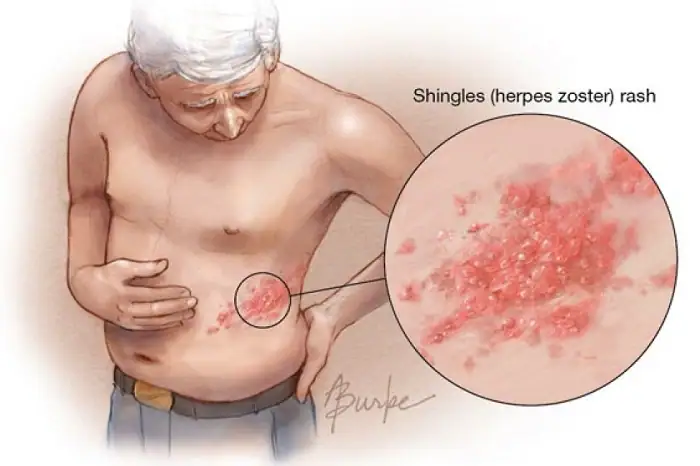
Wanna describe it? Know these words:
• Dolor – pain
• Erupción – rash
• Ampollas – blisters
• Picazón – itching
• Fiebre – fever
• Ardor – burning (like fire on your skin!)
• Nervios – nerves
Try these:
• La culebrilla causa una erupción dolorosa. (It makes a rash that hurts.)
• Tengo ampollas y mucho ardor en la piel. (I got blisters. My skin burns!)
• El dolor de la culebrilla puede durar semanas. (The pain? It can last weeks.)
Describing Shingles
How to describe it:
• Muy dolorosa – hurts a lot
• Contagiosa – you can catch it
• Irritante – makes you mad
• Molesta – super annoying
• Grave – bad news sometimes
Like this:
• La culebrilla es muy dolorosa, especialmente en adultos mayores. (It hurts bad. Worse for old folks.)
Causes and Prevention
So doctors say this. The virus? Same one as chickenpox. It’s called varicela-zóster. Big word, I know!
After chickenpox, the virus sleeps. In your body. Years pass. Then surprise! It wakes up.
Look:
• El estrés puede aumentar el riesgo de tener culebrilla. (Stress makes it more likely.)
• Existe una vacuna contra la culebrilla. (There’s a shot for it!)
Common Related Phrases
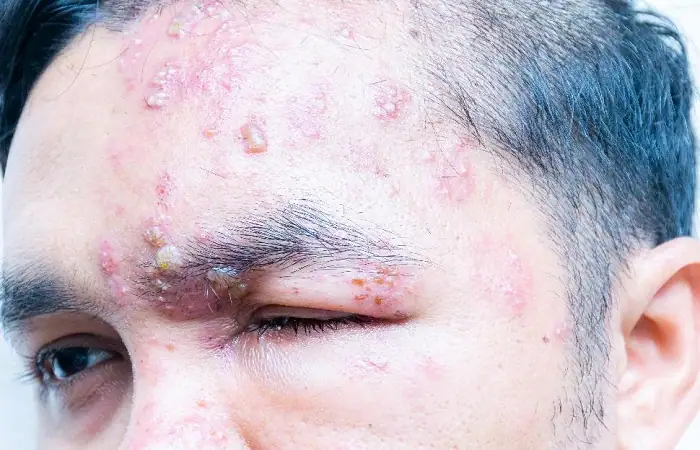
Know phrases:
• Vacuna contra la culebrilla – the shot
• Dolor de nervios – nerve pain (ouch!)
• Tratamiento antiviral – virus medicine
• Erupción en la piel – skin rash
• Medicamento para el dolor – pain pills
Use them like:
• Me puse la vacuna contra la culebrilla. (I got the shot.)
• Estoy tomando un medicamento para el dolor. (Taking pain pills.)
Also Read: How Much Do Shiplap Costs? 2025 Guide to Material, Labor & Project Pricing
Talking About Treatment
At the doctor? Say this stuff:
• Doctor, tengo dolor y una erupción en la piel. (Doc, I hurt. Got a rash too.)
• Me salieron ampollas en la espalda. (Blisters on my back!)
• ¿Podría ser culebrilla? (Is it shingles maybe?)
• ¿Qué medicamento necesito tomar? (What pills do I need?)
The doctor might say:
• Necesita descansar. (Rest up.)
• Tome este antiviral. (Take this pill.)
• Evite rascar la zona afectada. (Don’t scratch!)
• Aplique una crema para aliviar el dolor. (Use this cream. Helps with pain.)
Fun Fact About Culebrilla
Here’s a cool story. Old Spanish folks? They thought a snake moved under your skin. That’s why it’s called little snake!
We know better now. It’s a virus. But still, the coolest illness name ever!
Extra Vocabulary Related to Culebrilla
More words to know:
• Virus – virus (same word!)
• Piel – skin
• Sistema inmunológico – immune system (your body’s defense team)
• Reacción – reaction
• Recuperación – getting better
Try these:
• El virus vive en el sistema nervioso. (The virus lives in your nerves.)
• La recuperación puede tomar varias semanas. (Getting better? Takes weeks.)
• Una buena dieta ayuda al sistema inmunológico. (Good food helps. Your body fights better!)
So now you know! Shingles is culebrilla. Or herpes zóster if you wanna sound smart. It’s a painful rash. But talking about it? Easy now!
Just say stuff like: Mi tío tuvo culebrilla el año pasado. Or: La vacuna ayuda a prevenir el herpes zóster.
Healthy words make your Spanish better. More useful too. Next time someone says culebrilla? You’ll get it!
Pretty cool, right?